
Razor Clam Digging in Long Beach, WA | 2026–27 Guide
There are certain signs that fall has arrived on Washington’s Evergreen Coast.
The days grow shorter. Rain returns to the forecast. Jackets come out of the closet, and evenings on the beach require an extra layer.
And then the razor clam dates are announced.
For generations, razor clam digging has been part of life along the Long Beach Peninsula. It’s a tradition shared among families and friends, a reason to plan a spontaneous weekend at the coast, and an experience that connects you to this place in a way few others can.
The Washington Department of Fish and Wildlife has released a new round of tentative razor clam digging dates, which means another season of following the tides is beginning.
If you’ve never experienced a razor clam dig, here’s what an evening on the beach might look like.
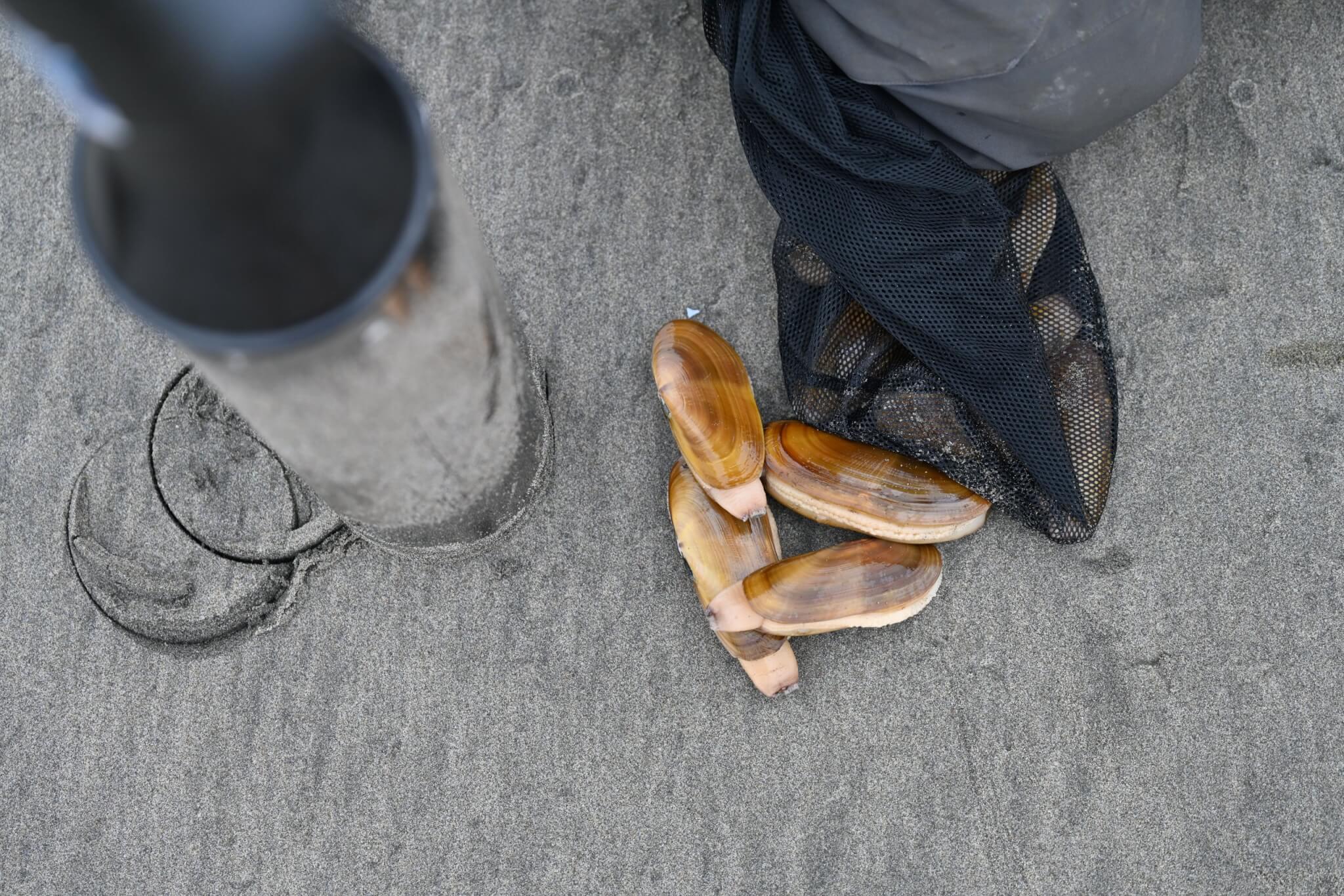
It Starts With the Tide Table
Long before your boots hit the sand, a razor clam dig starts with a date.
You spot an upcoming opening at Long Beach, check the low tide, look at your calendar and begin putting together a trip to the coast.
But there’s an important word you’ll see alongside WDFW’s proposed dates: tentative.
For someone unfamiliar with razor clam digging, that can be confusing. Why announce a date if it isn’t guaranteed?
The answer is safety.
Razor clams can accumulate naturally occurring marine toxins, including domoic acid. Before a scheduled dig can receive final approval, clams are tested to ensure toxin levels meet Washington Department of Health safety standards.
Because those tests need to happen relatively close to the scheduled opening, WDFW releases tentative dates in advance so diggers can begin planning and then announces final approval closer to the dig.
It’s one of the reasons experienced clam diggers know to check the latest WDFW updates before heading for the beach.
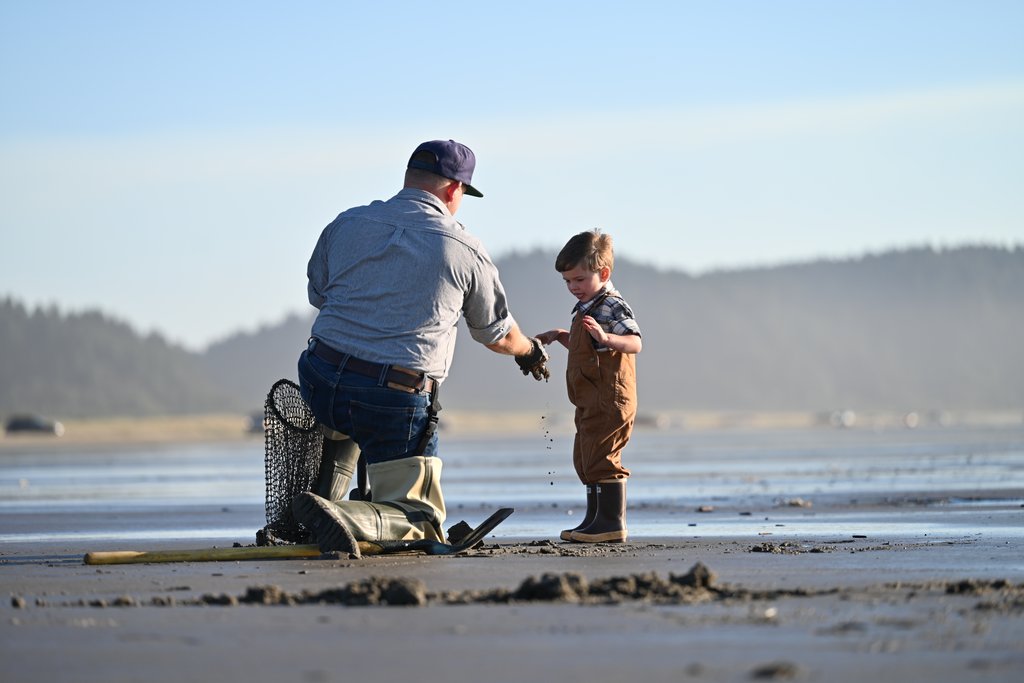
Getting Ready for the Dig
Once the opening is confirmed, preparations are fairly simple.
A clam gun or clam shovel. A container for your catch. Waterproof boots and layers suited to the weather. A valid shellfish license for anyone required to have one.
And during fall and winter evening digs, you’ll want a reliable headlamp or lantern.
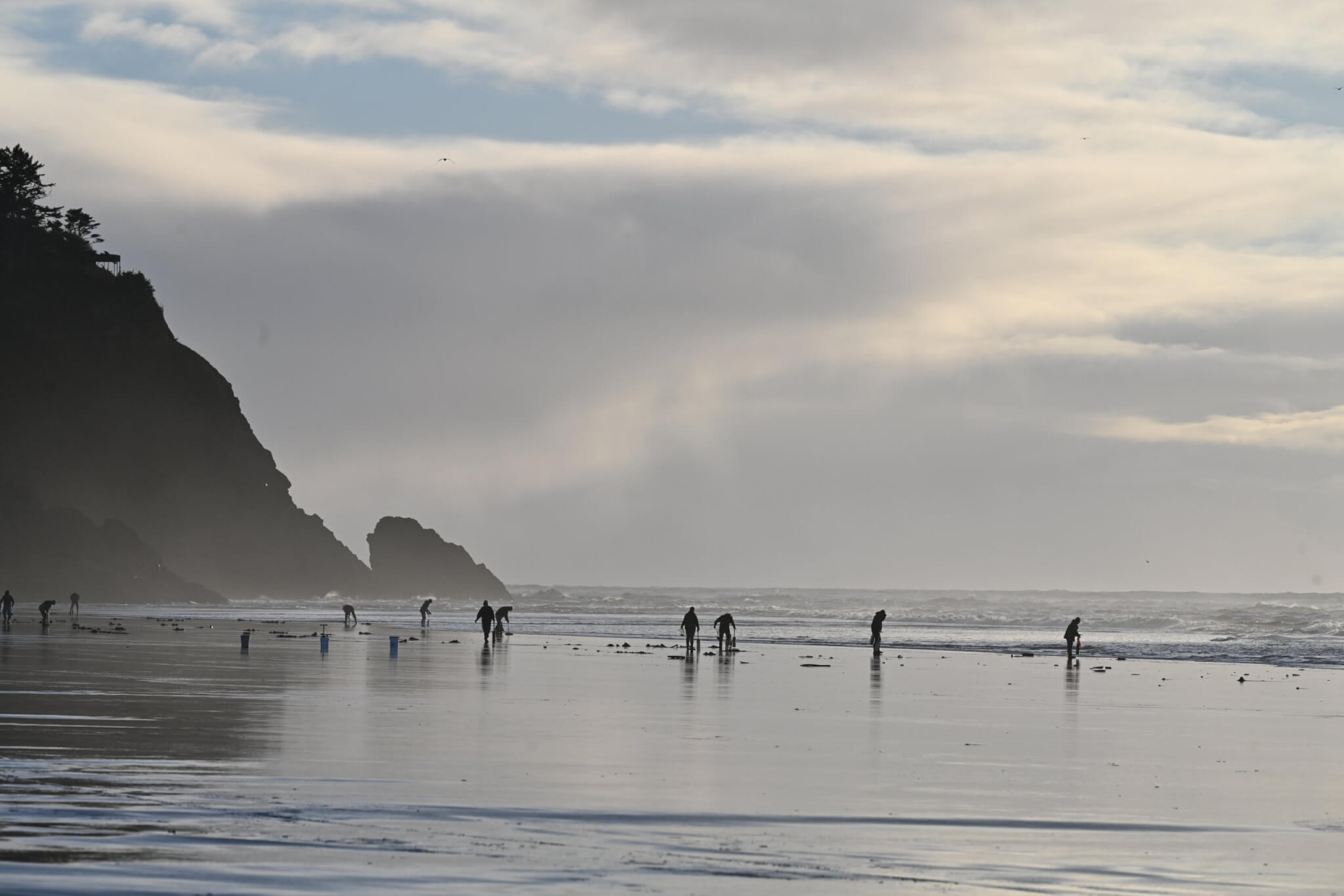
If you’ve never been on the beach during an evening clam tide, the scene alone is worth experiencing. As daylight disappears, points of light begin moving across the sand. Headlamps and lanterns stretch along the shoreline while groups of diggers work their way toward the retreating Pacific.
There’s an unmistakable energy to it — especially when the digging is good.
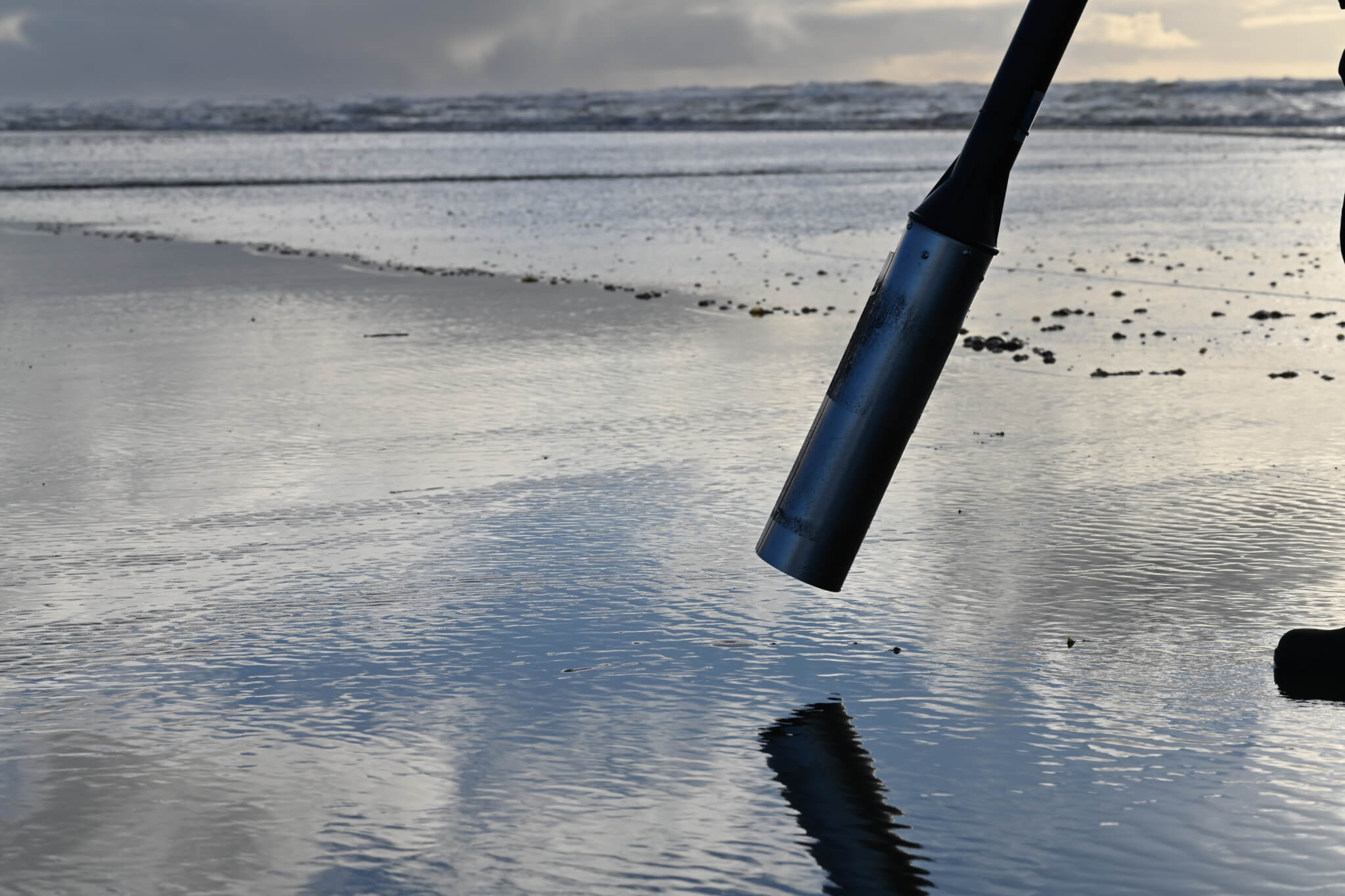
Arrive Before Low Tide
One of the most important things to know is that you don’t necessarily want to arrive at the exact time printed beside the low tide.
The hours leading up to low tide are often when the digging happens.
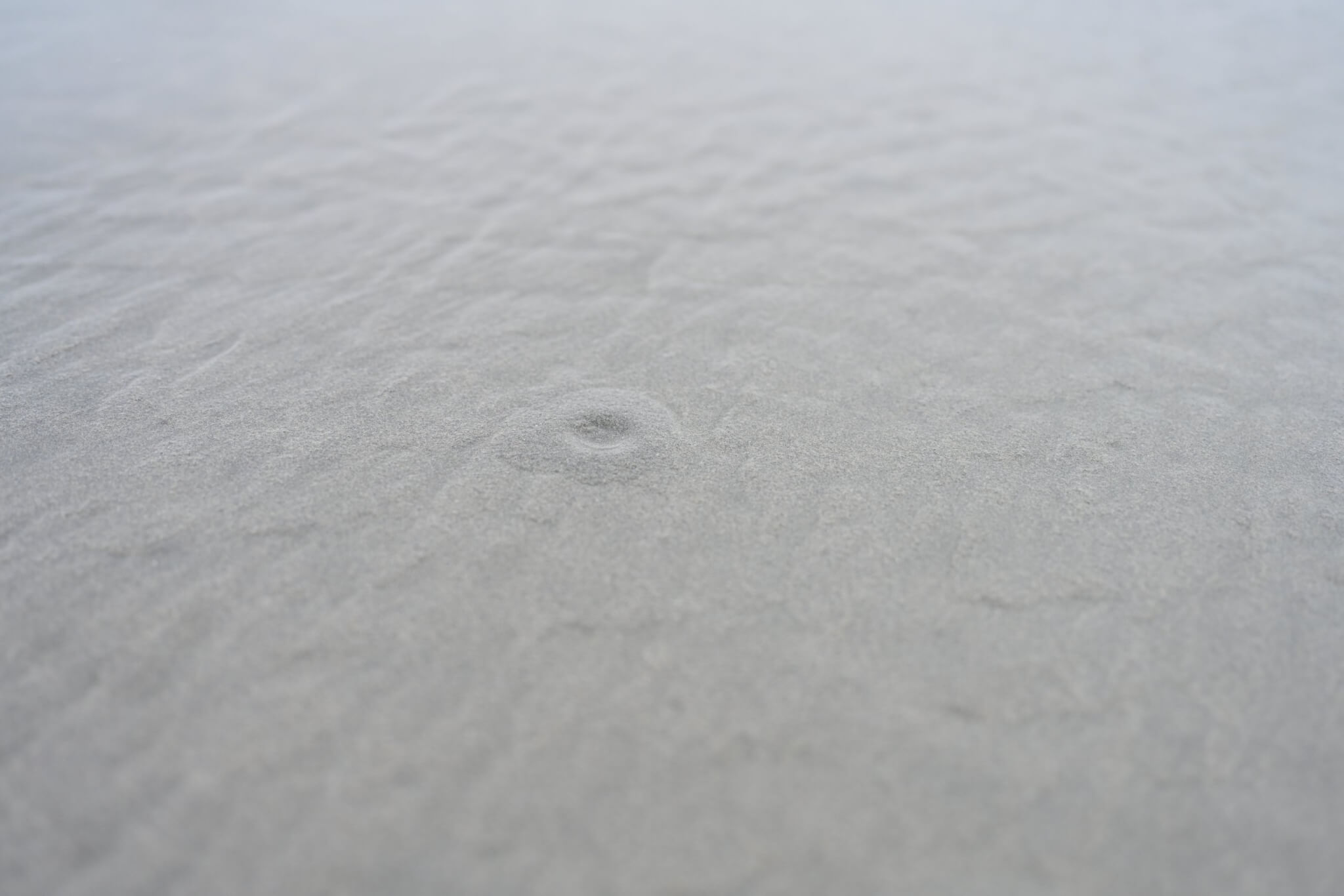
As the ocean retreats, wet sand that was underwater only a short time earlier is exposed. Diggers spread across the beach, watching closely for the small dimples and depressions known as clam shows.
Learning to recognize them takes a little practice.
At first, the beach can look like an endless collection of footprints, bubbles and marks in the sand. Then you begin noticing the difference.
A small indentation catches your eye.
You stop.
And now it’s time to find out what’s underneath.
The First Dig
You position your clam gun over the show and push it into the sand.
Razor clams can move surprisingly quickly beneath the surface, so there’s a little technique involved. Your first attempt might produce nothing more than a cylinder of wet sand. Adjust your position, try again, and eventually you feel that unmistakable weight.
Pull the gun from the sand, sort through what comes up and there it is.
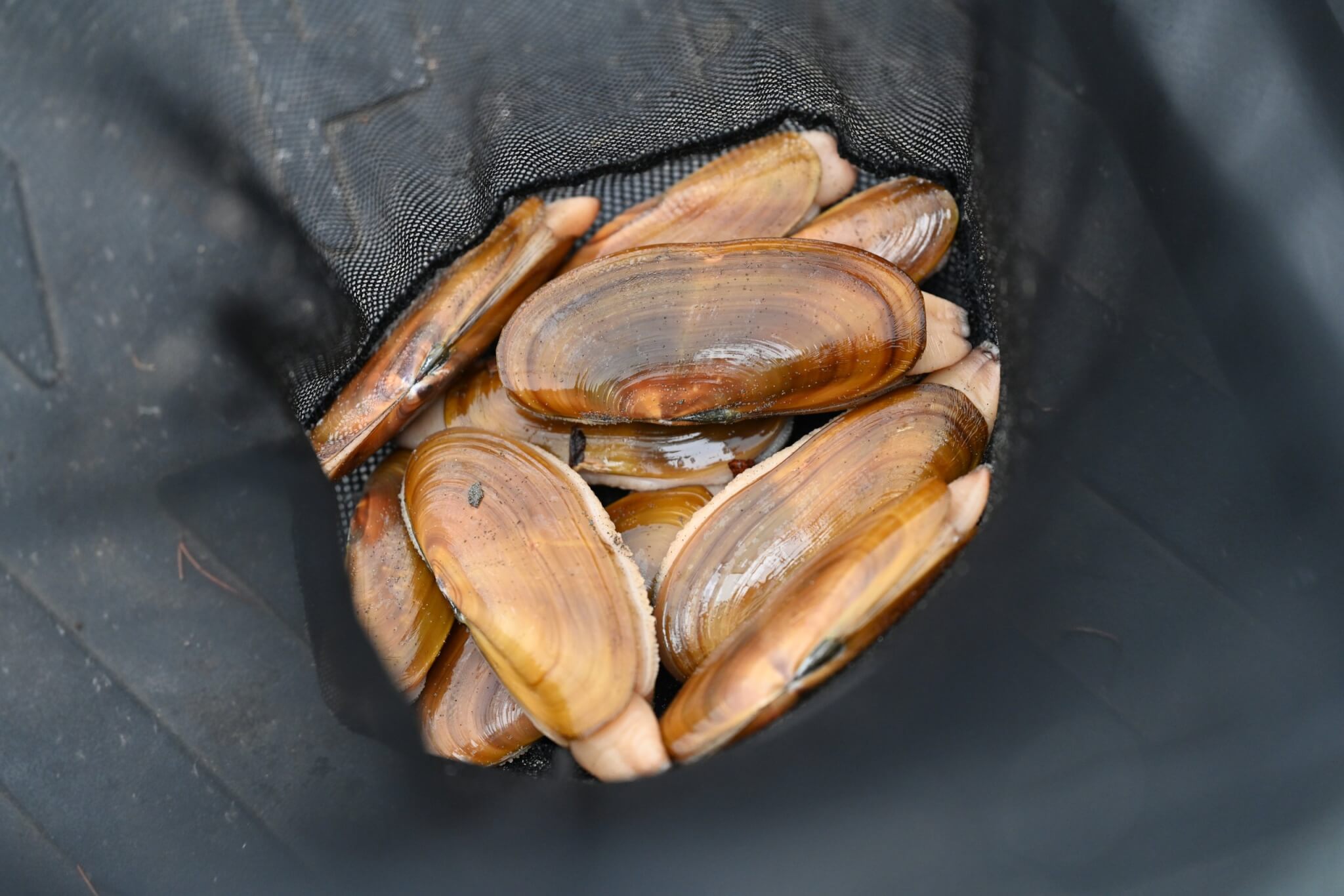
A razor clam.
There’s something deeply satisfying about harvesting food directly from the place you’re visiting. It’s also easy to understand why people who have been doing this for decades still get excited when they spot another show in the sand.
Soon you’re looking for the next one.
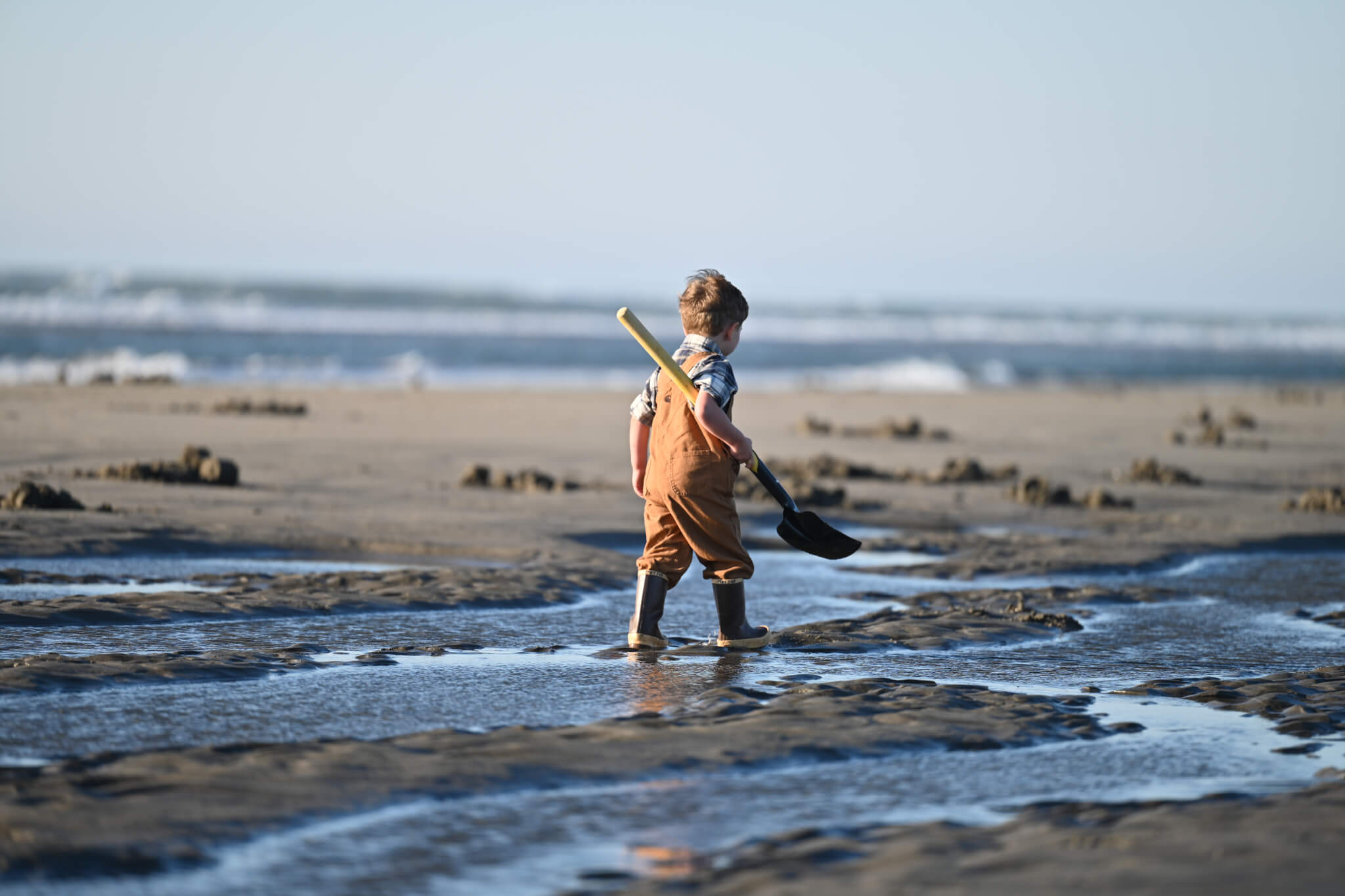
Following the Water
As the tide continues out, the experience settles into a rhythm.
Walk. Watch the sand. Find a show. Dig.
Around you, other groups are doing the same thing. Some diggers have decades of experience and move down the beach with remarkable efficiency. Others are still figuring out the angle of the clam gun.
Everyone is following the same tide.
On a clear evening, the last light hangs over the Pacific. On darker digs, headlamps and lanterns create a trail of lights along the shoreline. Add the sound of the surf, cold coastal air and the occasional celebration from someone who just pulled up a particularly impressive clam, and you have an experience that is difficult to replicate anywhere else.
It’s one of those evenings when you realize the activity itself is only part of the appeal.
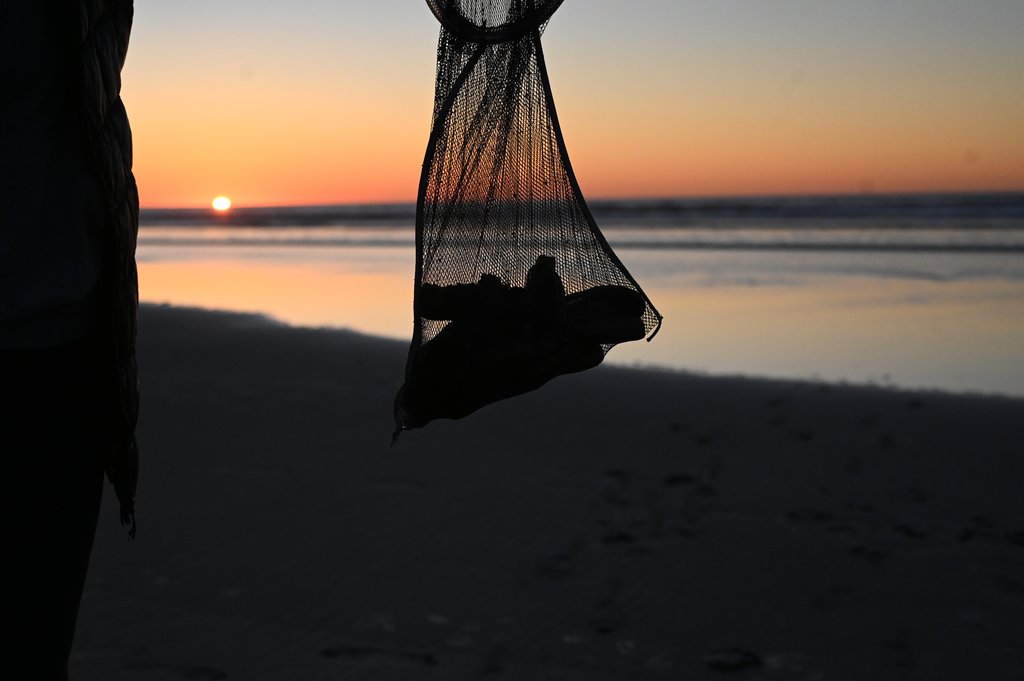
Bringing Home Dinner
Eventually, you reach your limit or decide your fingers have gotten cold enough.
Either way, the walk back from the beach feels different when you’re carrying dinner with you.
Razor clams have long been part of the food culture of the Washington coast. Some people swear by a simple fried razor clam. Others turn their catch into chowder, clam fritters or recipes passed down through their families.
Ask a group of longtime clam diggers the best way to prepare them and you’ll probably get several different answers — all delivered with complete confidence.
That’s part of the tradition, too.
A Few Things Every Digger Should Know
Enjoying the experience also means helping protect the resource that makes it possible.
On open beaches, the daily limit is 15 razor clams per person, and diggers must keep the first 15 clams they dig regardless of size or condition. Each person’s clams must also be kept in a separate container.
For the 2026–27 season, diggers aged 16 and older need a valid fishing license to harvest razor clams.
Beach driving requires some additional care as well. Use designated beach approaches, follow posted speed limits and pay attention to changing tides, soft sand and other beach users.
Most importantly, always confirm that your beach has officially opened before digging.
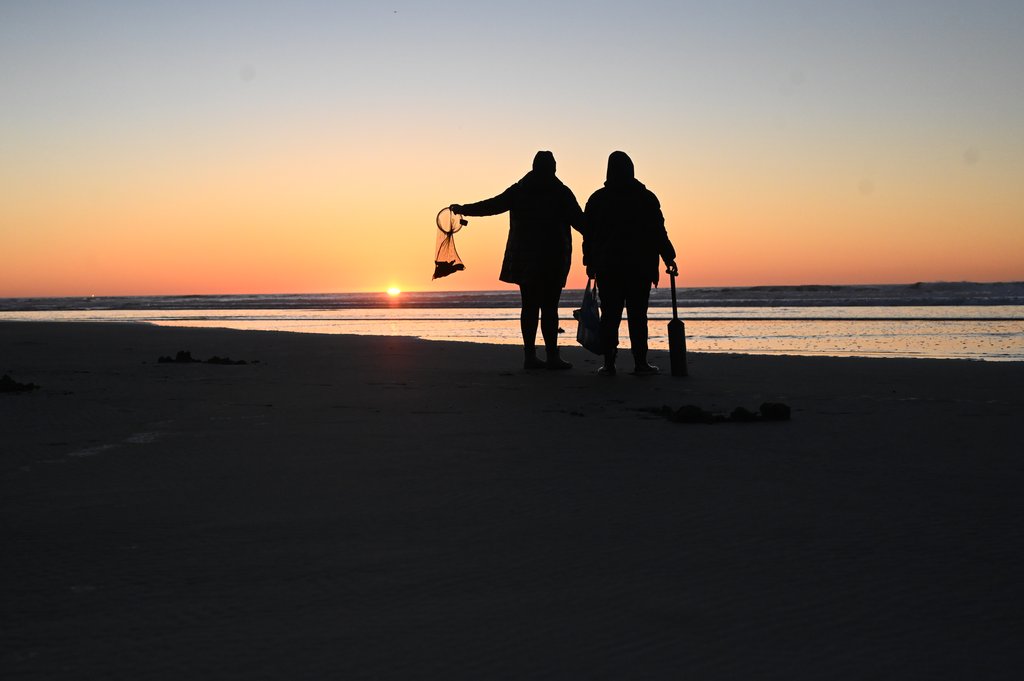
Why These Digs Mean So Much Here
It’s easy to look at a razor clam schedule and see a list of dates and tides.
Locally, it means much more.
Clam tides bring people together. Friends make plans. Families return to traditions they’ve kept for years. Restaurants, shops and lodging properties welcome visitors who might not otherwise have made a trip to the coast on a cool evening in November or December.
And after you’ve experienced one, you begin to recognize the signs.
Clam guns appear in the backs of trucks. People in boots and rain jackets start heading toward the beach. Lanterns come on as daylight disappears.
The tide is going out.
It’s time to dig.
Plan Your Razor Clam Trip
WDFW has announced a new series of tentative razor clam digging dates at Long Beach for the 2026–27 season.
Remember that tentative dates are not guaranteed openings. Marine toxin testing must be completed before WDFW can give final approval, so always check the current WDFW razor clam schedule before making the trip and again shortly before heading onto the beach.
Then pack your boots, grab a clam gun and give yourself plenty of time before low tide.
You may come for the clams.
But standing on the edge of the Pacific as the tide retreats, surrounded by lanterns and generations of a coastal tradition, is often the part you’ll remember.

Casi Gerig is a Long Beach, Washington local and emerging writer for Washington’s Evergreen Coast. She focuses on helping visitors discover what makes this stretch of coastline so special—from outdoor adventures to small-town experiences worth the trip. As a local, she brings a genuine perspective to her work and a passion for sharing her community with others. Outside of writing, Casi can be found crafting or walking her rescue dogs on the beach with her two kids.