
King Tides on the Washington Coast | Evergreen Coast Guide
For most of the year, the tide quietly shapes life along Washington’s Evergreen Coast. It moves across the beaches of the Long Beach Peninsula. It rises beneath docks in Ilwaco. It travels into Willapa Bay, through channels and across mudflats, marshes and shorelines stretching toward Bay Center, South Bend, Raymond and Tokeland.
Most days, we hardly notice just how much water is moving around us. Then comes a King Tide. These exceptionally high tides can temporarily transform familiar places, bringing water farther onto shorelines and filling bays, estuaries and channels to levels we don’t see every day.
But King Tides are more than an impressive coastal phenomenon. Follow the water around Pacific County during one of these extreme high tides and you’ll discover just how connected — and constantly changing — our coastal landscape really is.
What Exactly Is a King Tide?
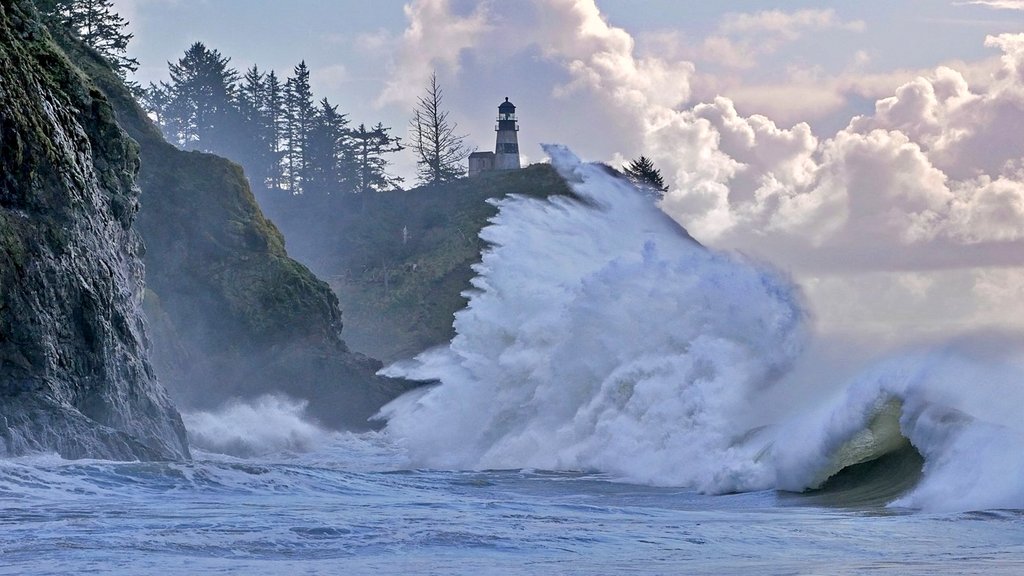
Despite the name, a King Tide isn’t a separate type of tide. The term is commonly used to describe some of the highest naturally occurring tides of the year. They occur when the gravitational forces of the moon and sun align in ways that produce unusually high water levels.
But astronomy is only part of what you’ll actually experience from shore.
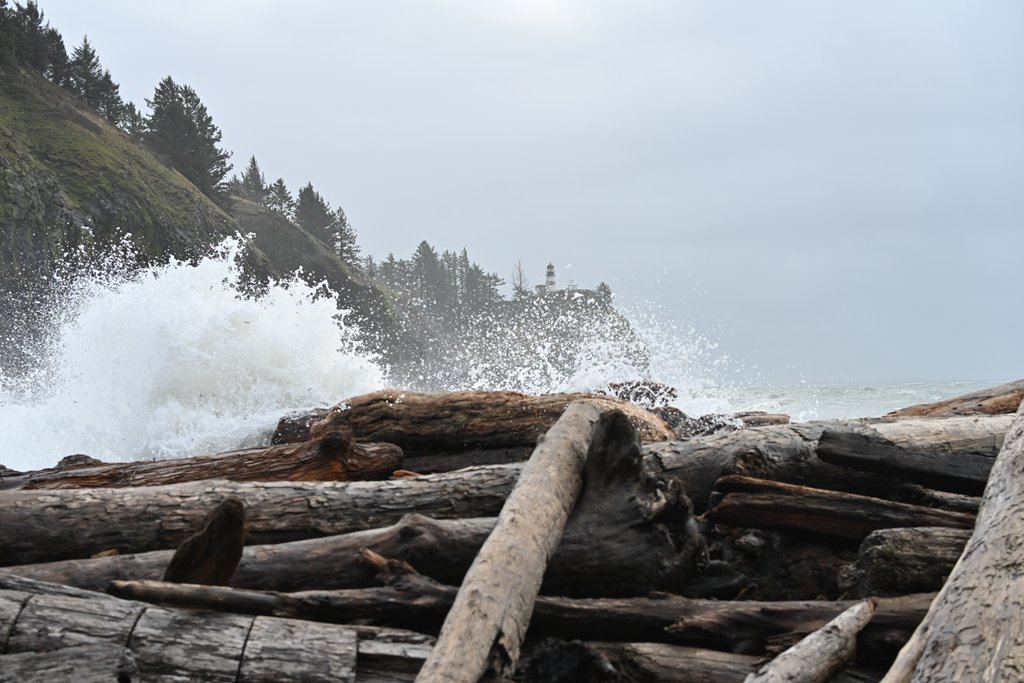
Wind, waves, atmospheric pressure and other ocean conditions can influence water levels, which means two similarly predicted high tides can look remarkably different when they arrive. Pair an already high astronomical tide with strong winds, large waves or low atmospheric pressure, and conditions can become much more dramatic.
That’s also why experiencing a King Tide isn’t necessarily about finding the biggest crashing wave. Sometimes the most interesting changes happen somewhere much quieter.
Start at the Pacific
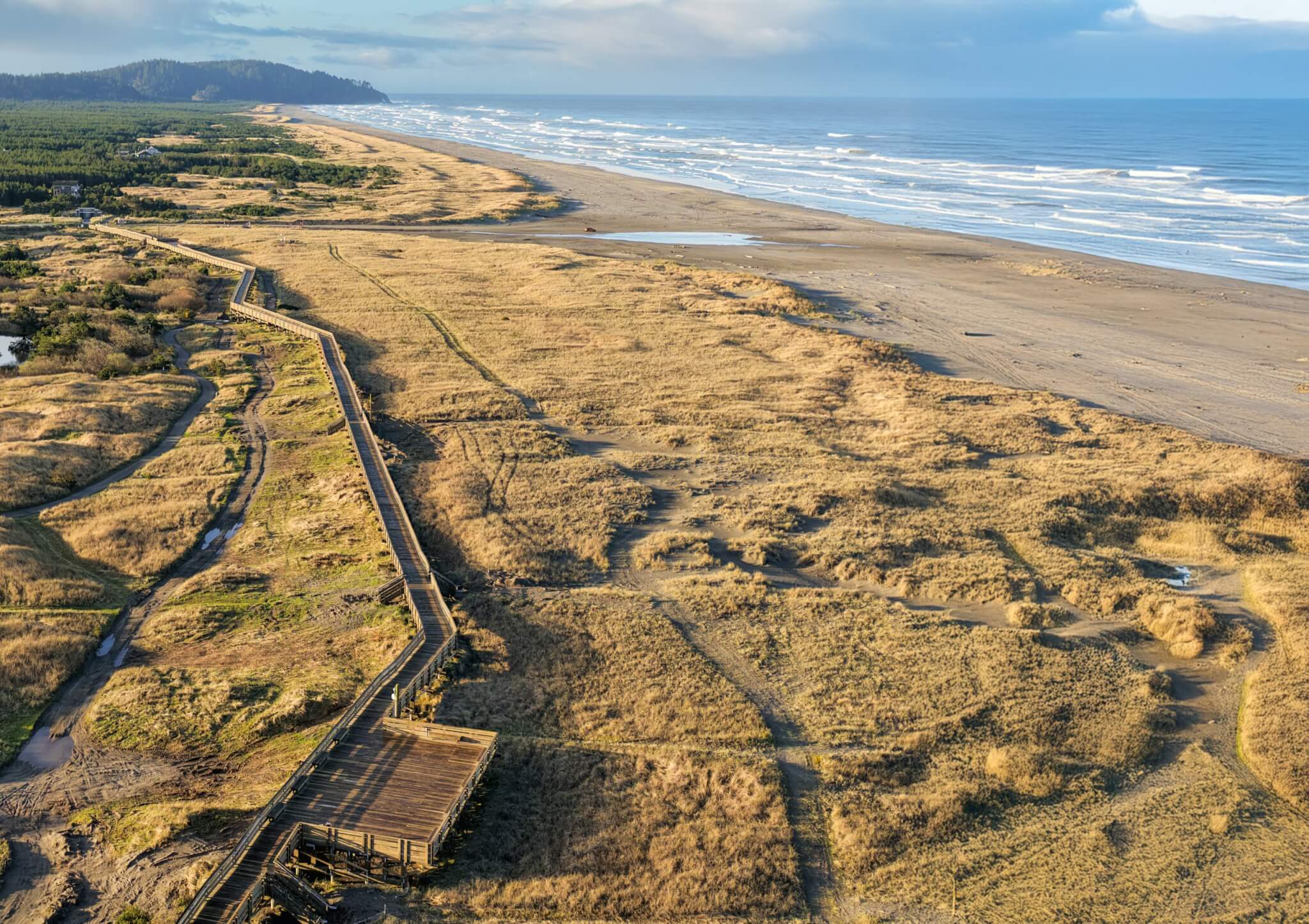
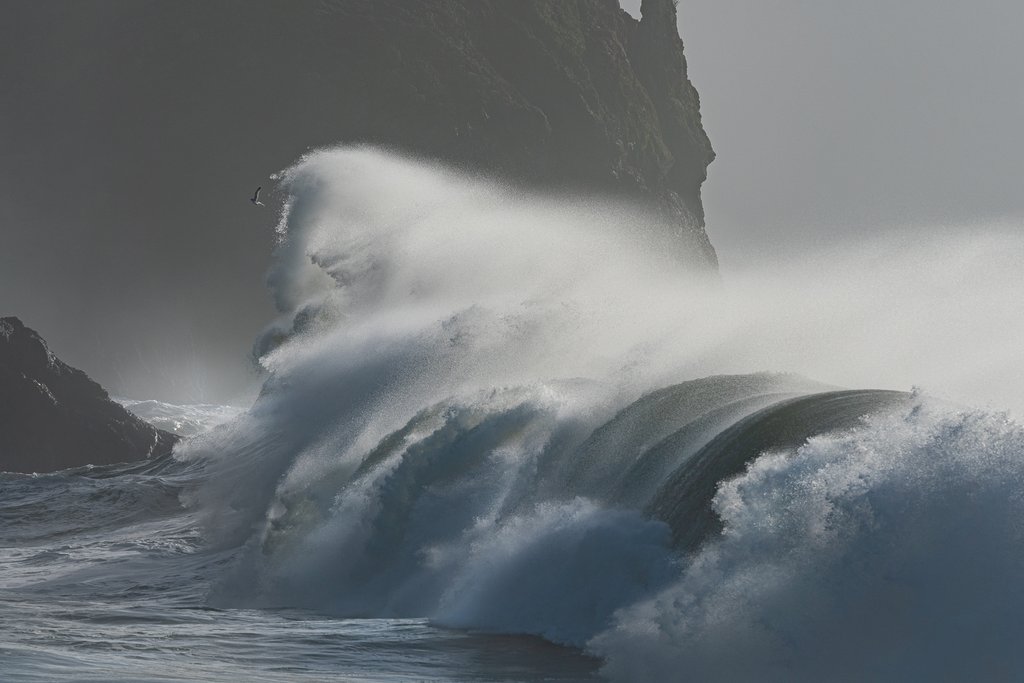
Along the western edge of the Long Beach Peninsula, the Pacific is where the power of the water is easiest to see. Our beach is known for its enormous stretches of sand, but at extreme high tide, that landscape can change considerably. The broad expanse between the dunes and ocean narrows as the Pacific reaches farther inland. It’s a striking reminder that the beach isn’t a fixed landscape. Wind, waves and tides are constantly reshaping it.
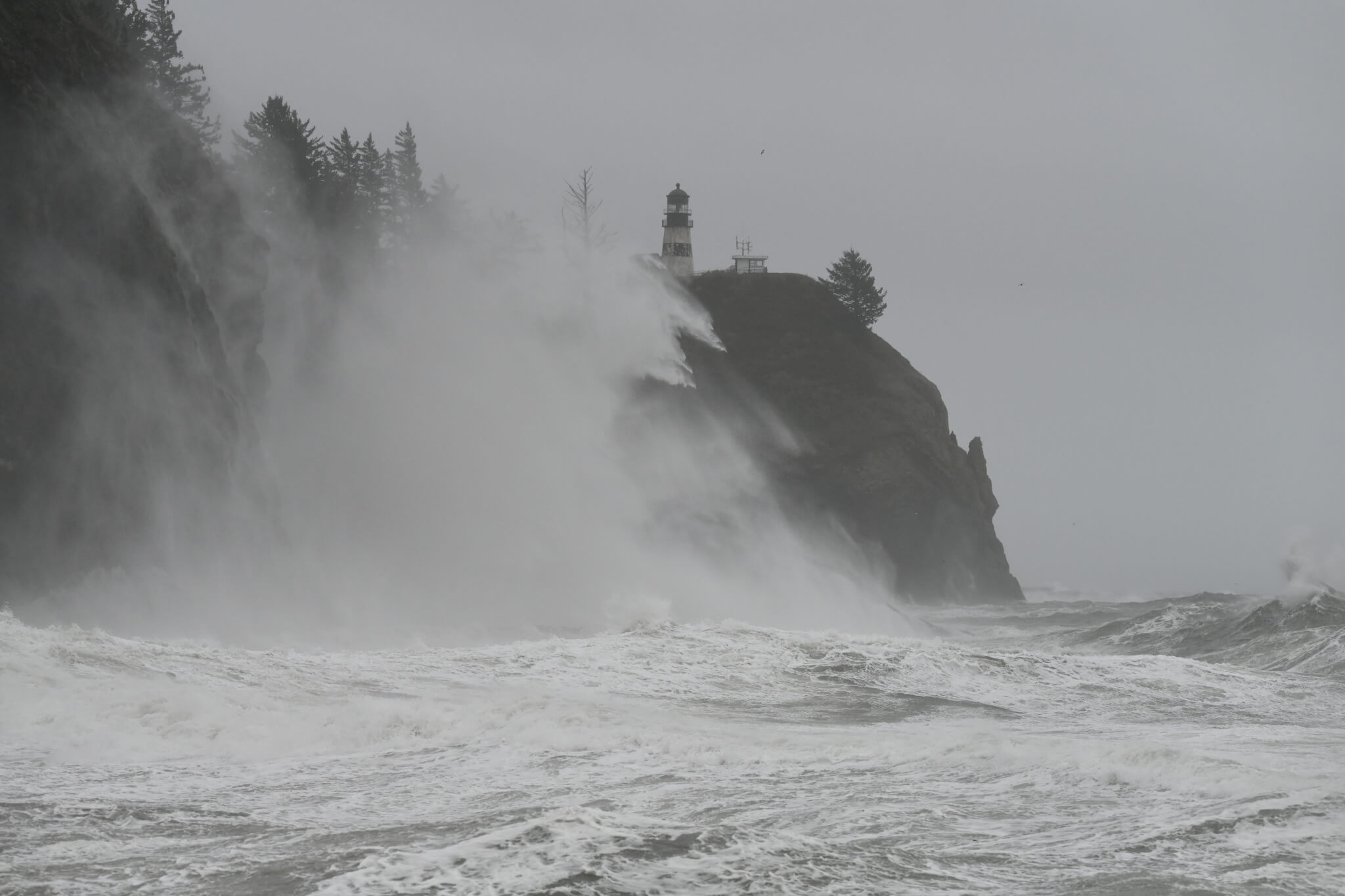
Winter conditions can also add another dimension. Large swells and strong winds combined with an already high tide can make the ocean considerably more dangerous. Give the Pacific plenty of room. Observe from a safe location, pay attention to surf and weather conditions and never turn your back on the ocean.
Then follow the water south, where an entirely different coastal environment begins.
Where a River Meets an Ocean
At Cape Disappointment and Ilwaco, two enormous bodies of water come together. The Columbia River has traveled more than 1,200 miles before reaching the Pacific Ocean, and its final stretch is influenced by the same tides moving along our coastline. That creates an incredibly dynamic environment.
Around the mouth of the Columbia, tides interact with river flow, ocean swells, currents and weather. The result is a landscape that has shaped navigation, fishing and life in Ilwaco for generations.
Move into the harbor and the experience becomes quieter. Instead of watching waves roll onto an open beach, you can see the tide reflected in the working waterfront — around docks, boats and pilings. It’s the same tide, experienced in an entirely different way.
Follow the Water Into Willapa Bay
Travel north and the landscape changes again. Willapa Bay is one of the defining features of Washington’s Evergreen Coast, and nowhere is the daily influence of the tide more obvious. At low tide, enormous mudflats can emerge from the water. Channels wind through the exposed landscape, birds search for food and oyster-growing areas become visible.
Then the tide returns. Water moves back through those channels and across the flats. Areas that appeared to be land only hours earlier disappear beneath the bay.
During a King Tide, that transformation reaches one of its highest points. And while it may lack the crashing waves of the Pacific, watching Willapa Bay fill is an impressive reminder of just how much of this landscape operates according to the tide. That movement also helps sustain one of the most productive estuarine environments on the West Coast, supporting shellfish, wildlife, wetlands and the communities that surround the bay.
Where Water and Communities Meet
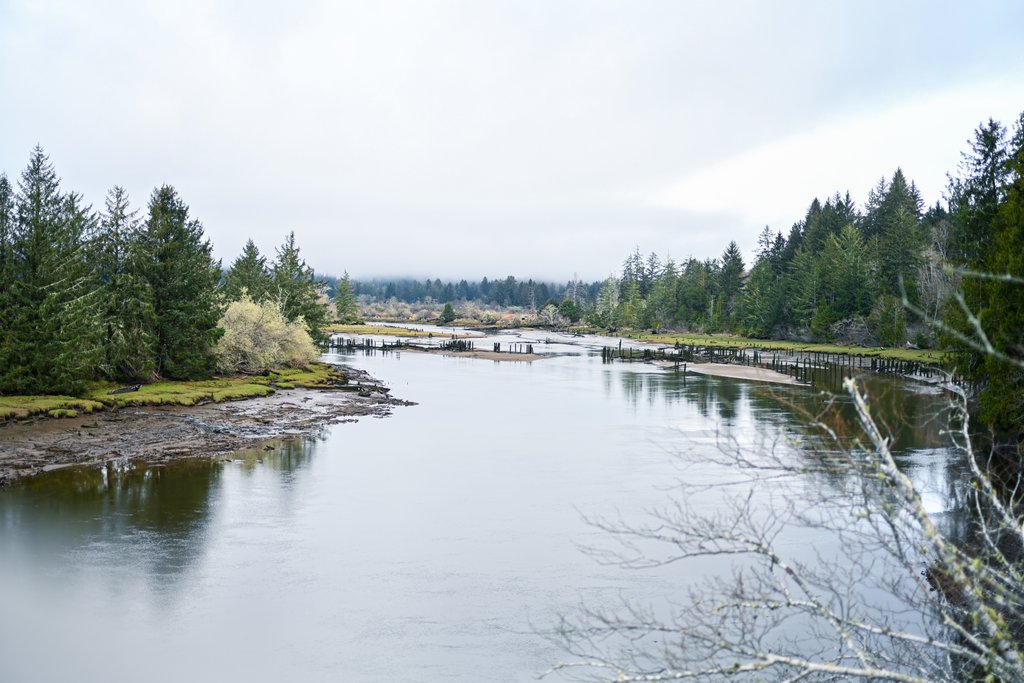
Continue around Willapa Bay and the relationship between people and water becomes even more apparent. Bay Center, South Bend, Raymond and Tokeland have all developed alongside rivers, bays, estuaries and working waterfronts. Here, water isn’t simply scenery. It has influenced where communities were built, how people traveled, the industries that developed and how generations have made their living. Fishing, oyster farming, logging, shipping and recreation all share a connection to these waterways.
A King Tide brings that relationship into focus. Water reaches into places that are normally dry, fills wetlands and channels to their upper edges and reminds us how closely our communities remain tied to the surrounding landscape.
A Glimpse at a Changing Coast
King Tides are naturally occurring. They aren’t caused by sea level rise. But they can help scientists and coastal communities understand what higher average water levels could look like in the future.
For a brief period, today’s extreme tide can put water in places that don’t normally experience it. That information can help communities think about shorelines, habitat, roads and infrastructure as conditions change over time. It’s one reason King Tides have become more than something interesting to watch. They’ve also become opportunities to observe and document our coastline.
Your View Can Help Tell the Story
Washington’s King Tides program invites people around the state to photograph exceptionally high tides and submit their observations. Those images contribute to a larger record of how extreme high water interacts with Washington’s coast.
You don’t need special equipment or scientific training to participate. A photograph, location and observation can help document what was happening along the shoreline at that particular moment. It’s a simple way to turn a day of coastal exploring into a contribution to our understanding of the places we’re exploring.
One Tide, Many Landscapes
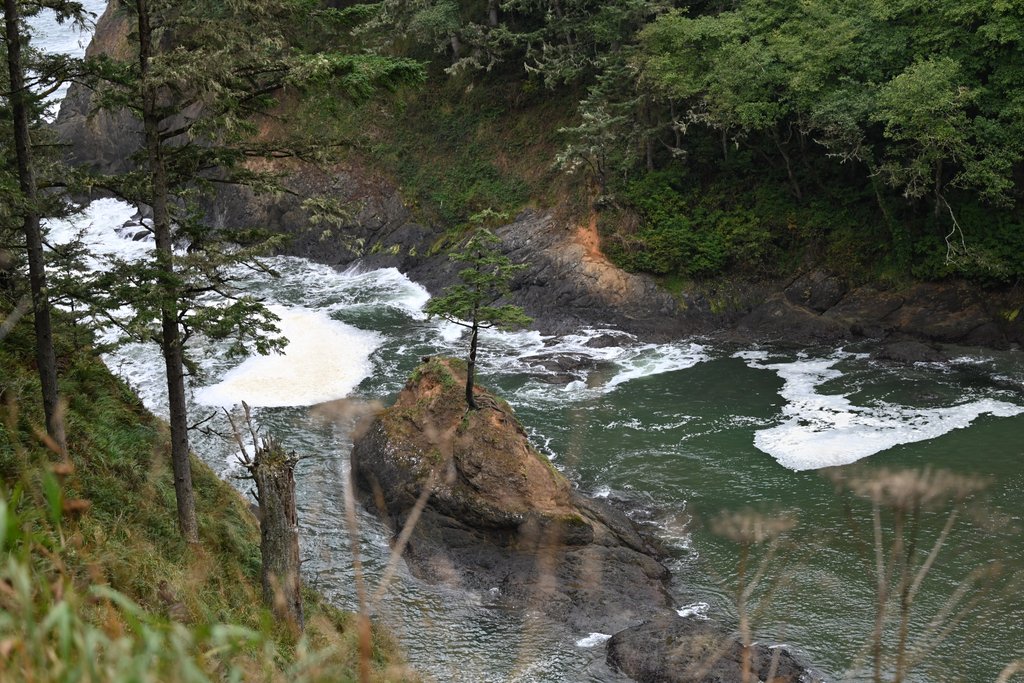
Follow a King Tide through Pacific County and you’ll encounter a coast that continually reinvents itself. On the Long Beach Peninsula, the Pacific pushes toward the dunes. Near Ilwaco, the ocean and river meet. Across Willapa Bay, water spreads through channels, mudflats and wetlands. Farther north, waterfront communities sit alongside the rivers and estuaries that have shaped their histories.
It’s all the same tide. Yet everywhere you follow it, the experience is different.
Watch Safely
Wherever you experience a King Tide, remember that unusually high water deserves respect. Stay well back from breaking waves, avoid logs and debris near the surf, use caution around slippery docks and shorelines, and obey closures, barriers and warning signs.
Weather matters, too. Strong winds and large ocean swells can create hazardous conditions during an already high tide. And remember: you don’t have to stand beside crashing waves to experience a King Tide. A harbor, bay, riverfront or estuary can tell just as interesting a story.
Follow the Tide
Eventually, the water turns. The Pacific retreats across the sand. Channels and mudflats emerge from Willapa Bay. Water drops beneath docks and along waterfronts. The landscape changes once again.
That’s part of what makes King Tides so fascinating on Washington’s Evergreen Coast. They don’t create a new landscape. They reveal just how dynamic the one around us has always been. From the Pacific Ocean to the Columbia River and deep into Willapa Bay, water connects this place. Sometimes, the best way to understand our coast is simply to follow the tide.

Casi Gerig is a Long Beach, Washington local and emerging writer for Washington’s Evergreen Coast. She focuses on helping visitors discover what makes this stretch of coastline so special—from outdoor adventures to small-town experiences worth the trip. As a local, she brings a genuine perspective to her work and a passion for sharing her community with others. Outside of writing, Casi can be found crafting or walking her rescue dogs on the beach with her two kids.