There’s something special about discovering the natural abundance of Washington’s Evergreen Coast. From mushrooms tucked beneath towering evergreens to wild berries growing along forest edges, Pacific County offers plenty of opportunities to explore the outdoors in a different way.
Foraging invites you to slow down, pay attention to your surroundings, and discover the incredible variety of plants, fungi, and coastal foods that thrive in this corner of Washington.
Whether you’re interested in learning about wild mushrooms, discovering native berries, or digging for razor clams along the Pacific Ocean, foraging offers another way to experience the coast.
And while some discoveries are best left untouched, learning about the natural foods found throughout the region can make an ordinary walk through the woods or along the beach even more memorable.
Mushroom Hunting in Pacific County
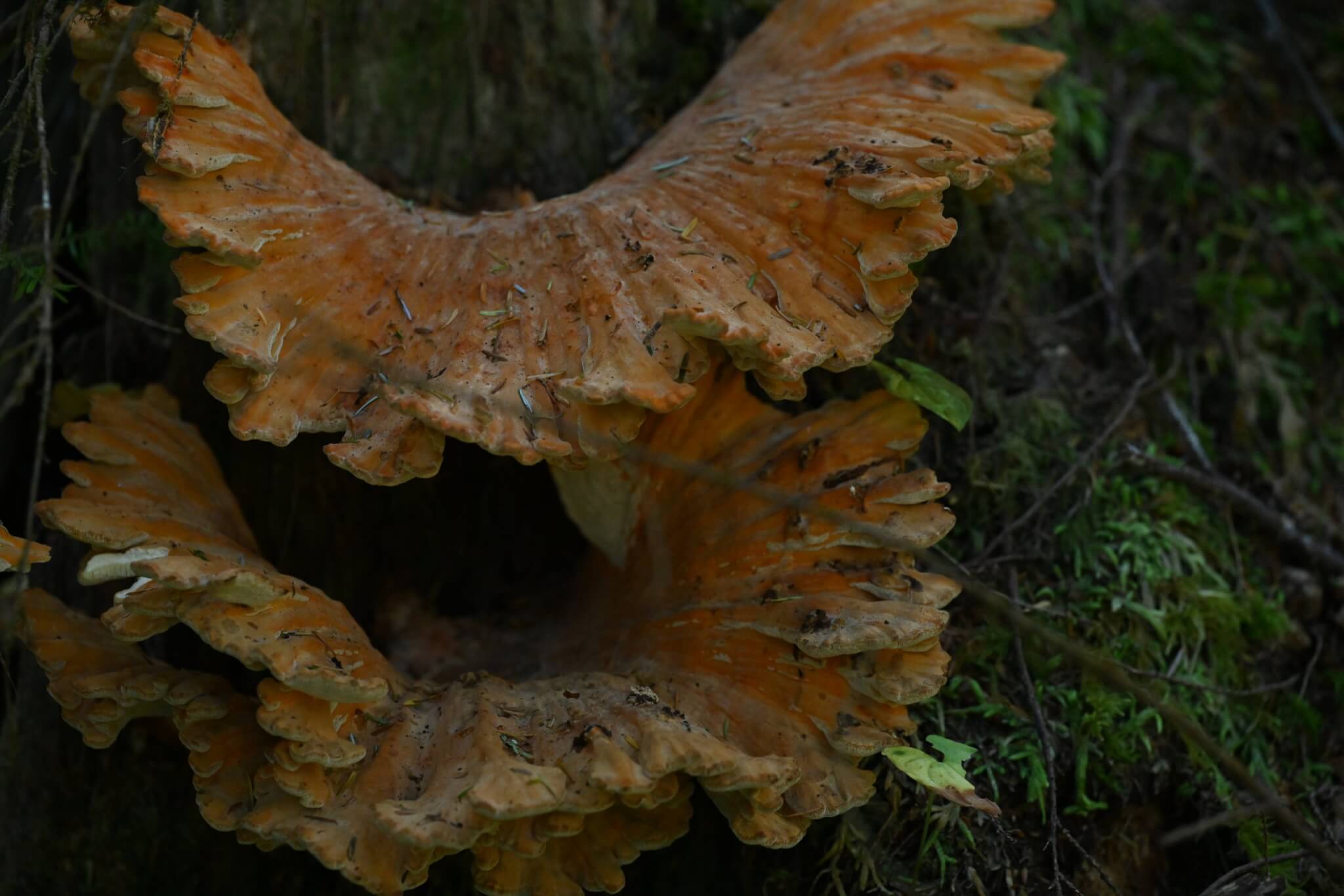
When the fall rains return to Washington’s Evergreen Coast, the forests begin to transform.
Mushrooms appear among moss-covered logs, beneath fallen leaves, and across the forest floor. With its mild coastal temperatures, abundant rainfall, and expansive evergreen forests, Pacific County provides an excellent environment for a wide variety of fungi.
For many mushroom enthusiasts, fall is one of the most anticipated seasons.
Some edible mushrooms associated with Pacific Northwest forests include:
- Chanterelles: Known for their golden color and delicate, slightly fruity aroma, chanterelles are among the region’s most sought-after wild mushrooms.
- Hedgehog mushrooms: These woodland mushrooms are valued for their flavor and distinctive spines beneath their caps.
- Oyster mushrooms: Often associated with dead or dying hardwood trees, these mushrooms grow in clusters and are recognizable to experienced mushroom hunters.
Finding mushrooms, however, is only part of the experience. Learning about the different species, the trees they grow near, and their role in forest ecosystems can be equally rewarding.
Mushroom identification requires significant knowledge and experience. Some poisonous mushrooms closely resemble edible varieties, and mistakes can have serious or even fatal consequences.
Beginners should consider joining an experienced local guide or mycological group before attempting to collect mushrooms for consumption. Never eat a wild mushroom unless its identity has been confirmed by a qualified expert.
Even if you’re not interested in harvesting, mushroom photography and identification walks offer a fascinating way to explore Pacific County’s forests.
Wild Berries: A Taste of the Coastal Forest
As summer transitions into fall, Pacific County’s forests and open spaces offer another seasonal discovery: wild berries.
Native berry-producing plants are an important part of the coastal ecosystem, providing food for birds and wildlife while adding color to trailsides and forest clearings.
A few notable species include:
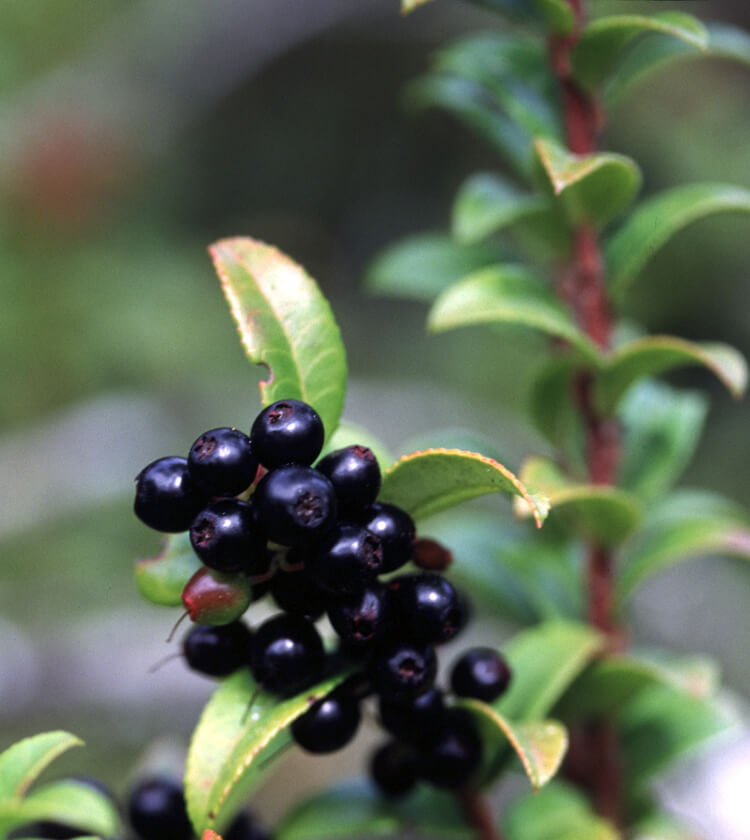
Evergreen Huckleberries
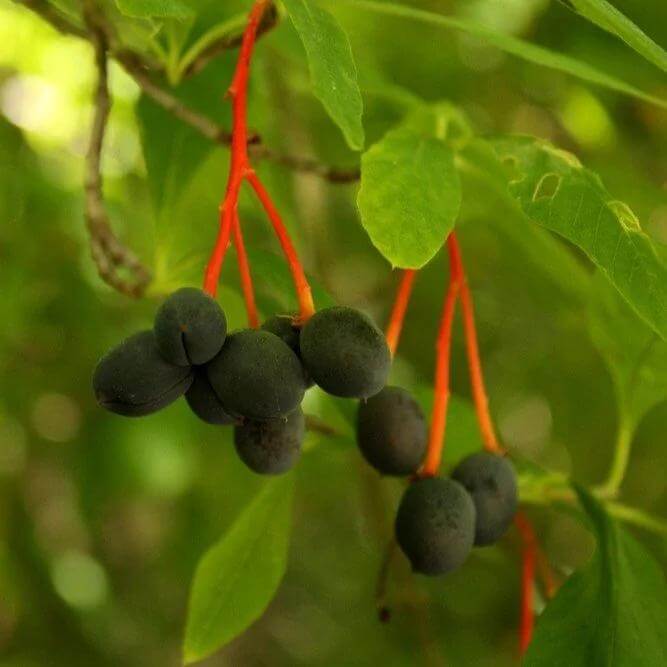
Evergreen huckleberries thrive in the acidic soils and moist forests of the Pacific Northwest.
Their small, dark berries ripen from late summer into fall and have a rich, sweet-tart flavor. Traditionally enjoyed fresh or used in jams, syrups, and baked goods, huckleberries are a favorite seasonal ingredient.
Salal Berries
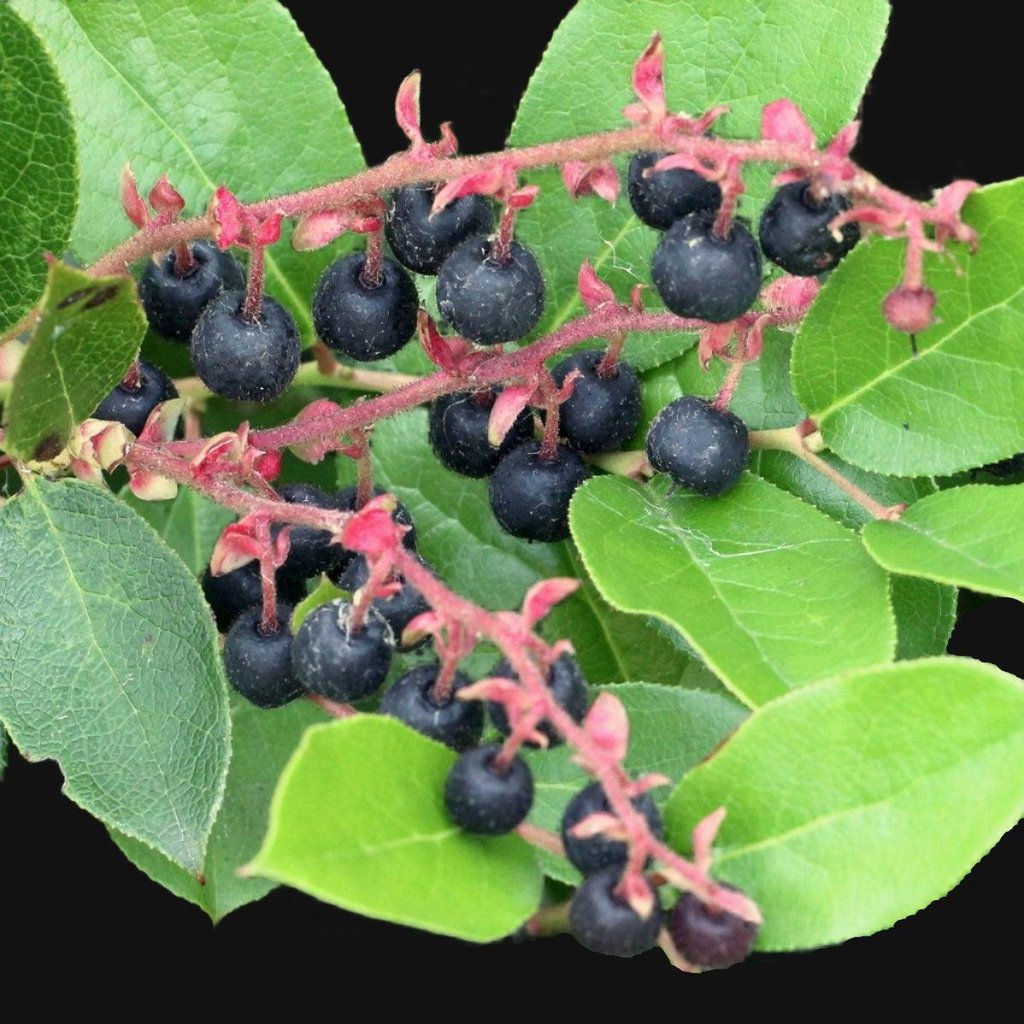
Salal is a familiar sight in coastal forests, where its glossy green leaves form dense understory vegetation.
During the summer, salal produces dark purple berries that have long been gathered and used as food by Indigenous communities of the Pacific Northwest.
The berries can be eaten fresh when correctly identified and are also used in preserves and other recipes.
Blackberries and Salmonberries
Wild blackberries are a familiar summer treat in the Pacific Northwest, particularly along sunny roadsides and disturbed areas.
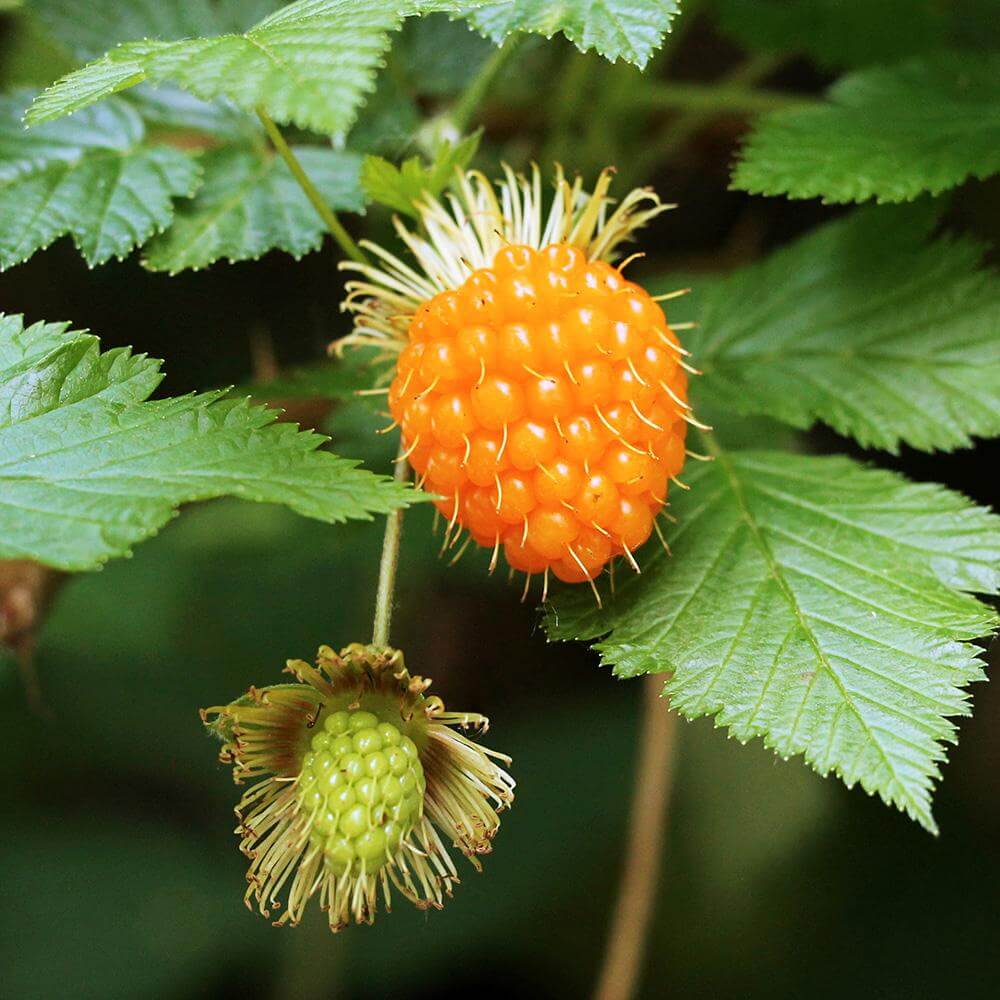
Salmonberries, recognizable by their yellow, orange, or reddish fruit, generally appear earlier in the season and favor moist environments.
Both offer a reminder that the coastal landscape changes throughout the year, with different plants producing fruit as the seasons progress.
When gathering berries, proper plant identification is essential. Not every colorful berry is edible, and some wild fruits can be toxic.
Always confirm that harvesting is permitted, avoid plants growing near roads or areas that may have been treated with chemicals, and leave plenty of fruit for wildlife.
Foraging Along the Shore: Razor Clams and Shellfish
Foraging on Washington’s Evergreen Coast isn’t limited to the forest.
With miles of Pacific shoreline and the productive waters of Willapa Bay, seafood gathering has long been part of life in Pacific County.
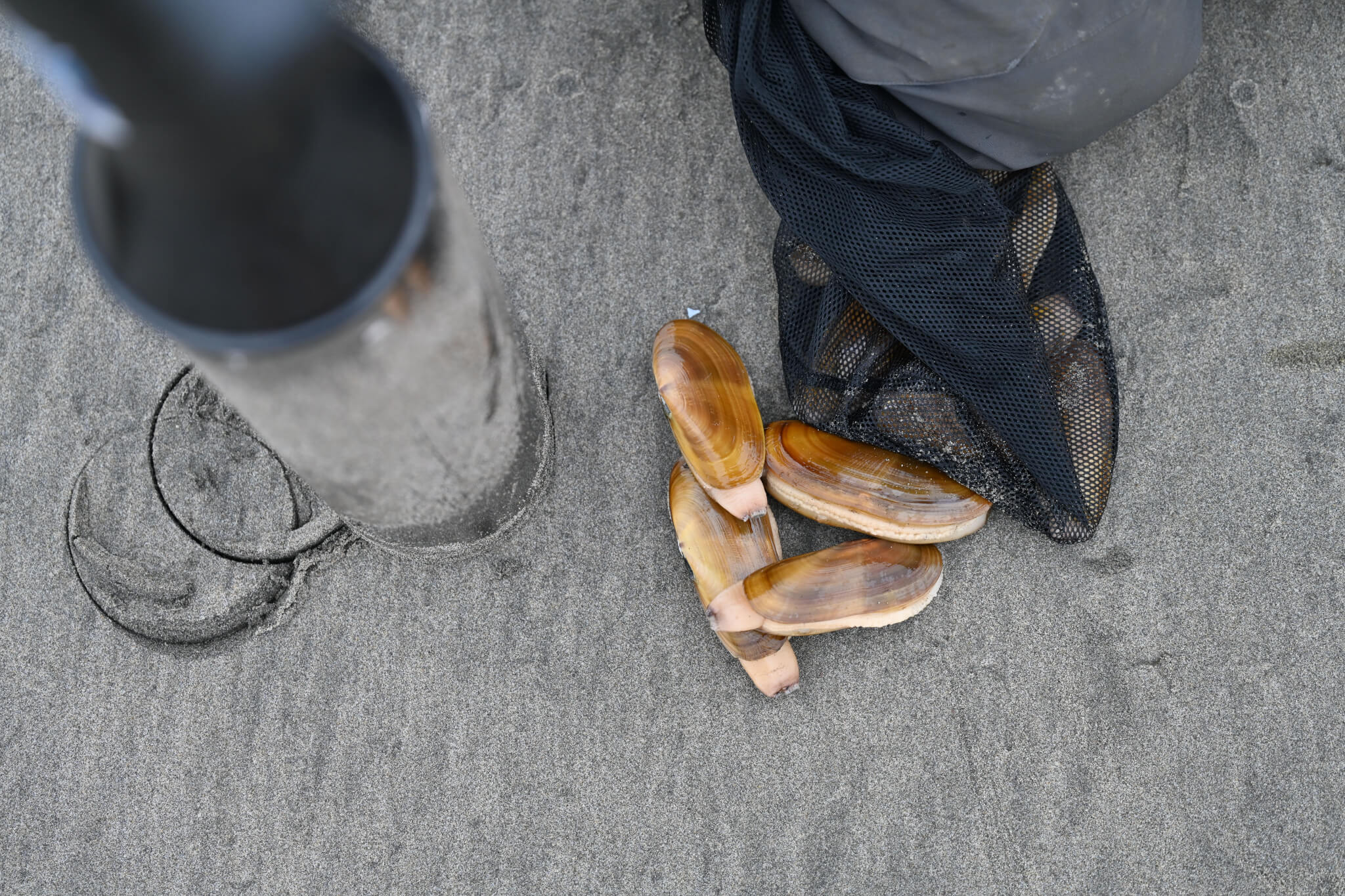
Razor Clam Digging
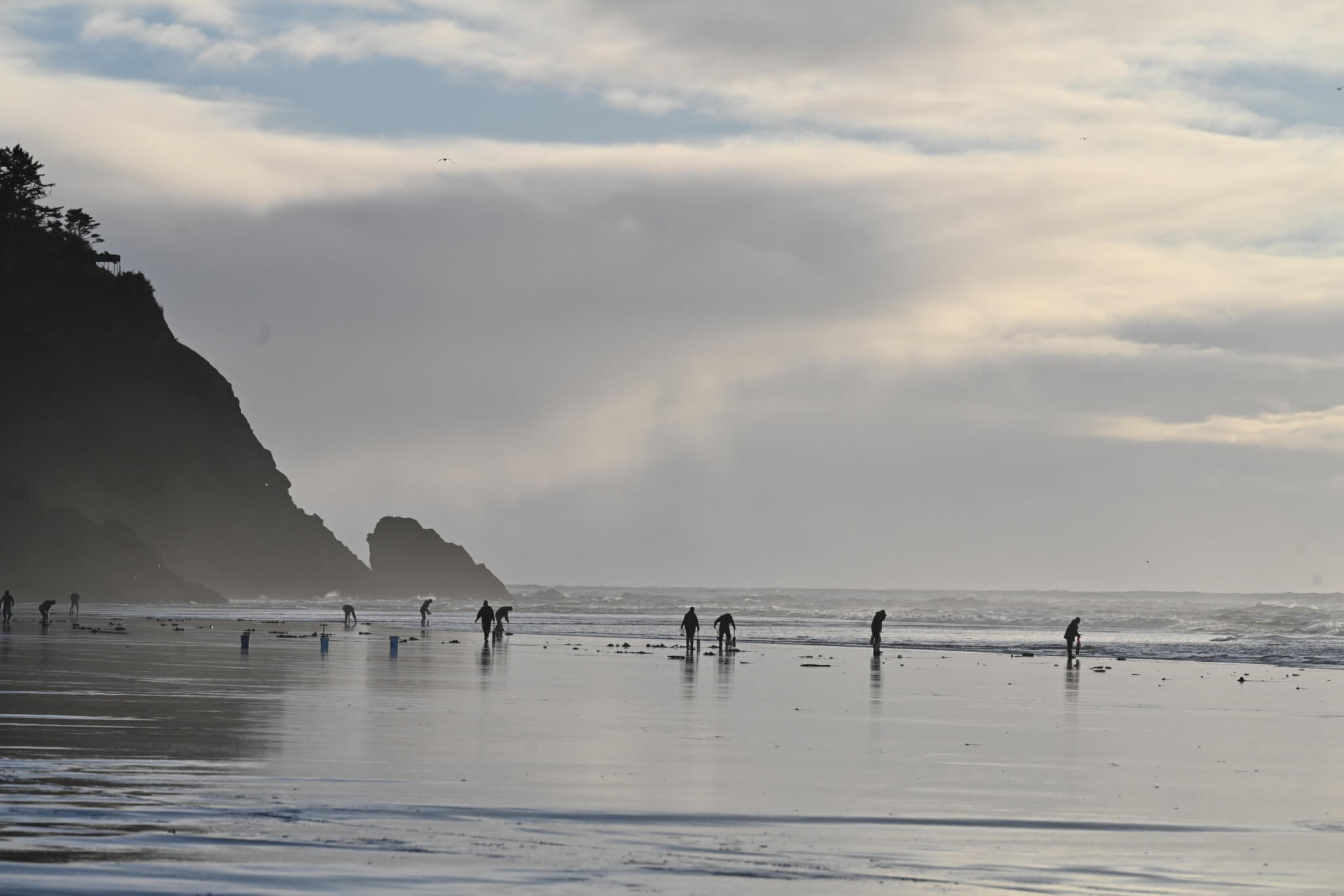
Few coastal traditions are as recognizable as razor clam digging.
During approved recreational digging seasons, visitors and locals head to the beach with clam guns, shovels, and buckets in search of these prized shellfish.
Razor clam digging combines outdoor adventure with the opportunity to bring home fresh coastal seafood. For many families, it’s a tradition passed down through generations.
The Washington Department of Fish and Wildlife establishes recreational digging seasons and harvest limits, and openings depend on marine toxin testing.
Before planning a trip, always check the latest regulations and approved digging dates.
Check Current Razor Clam Digging Information – WDFW
Oysters and Other Shellfish
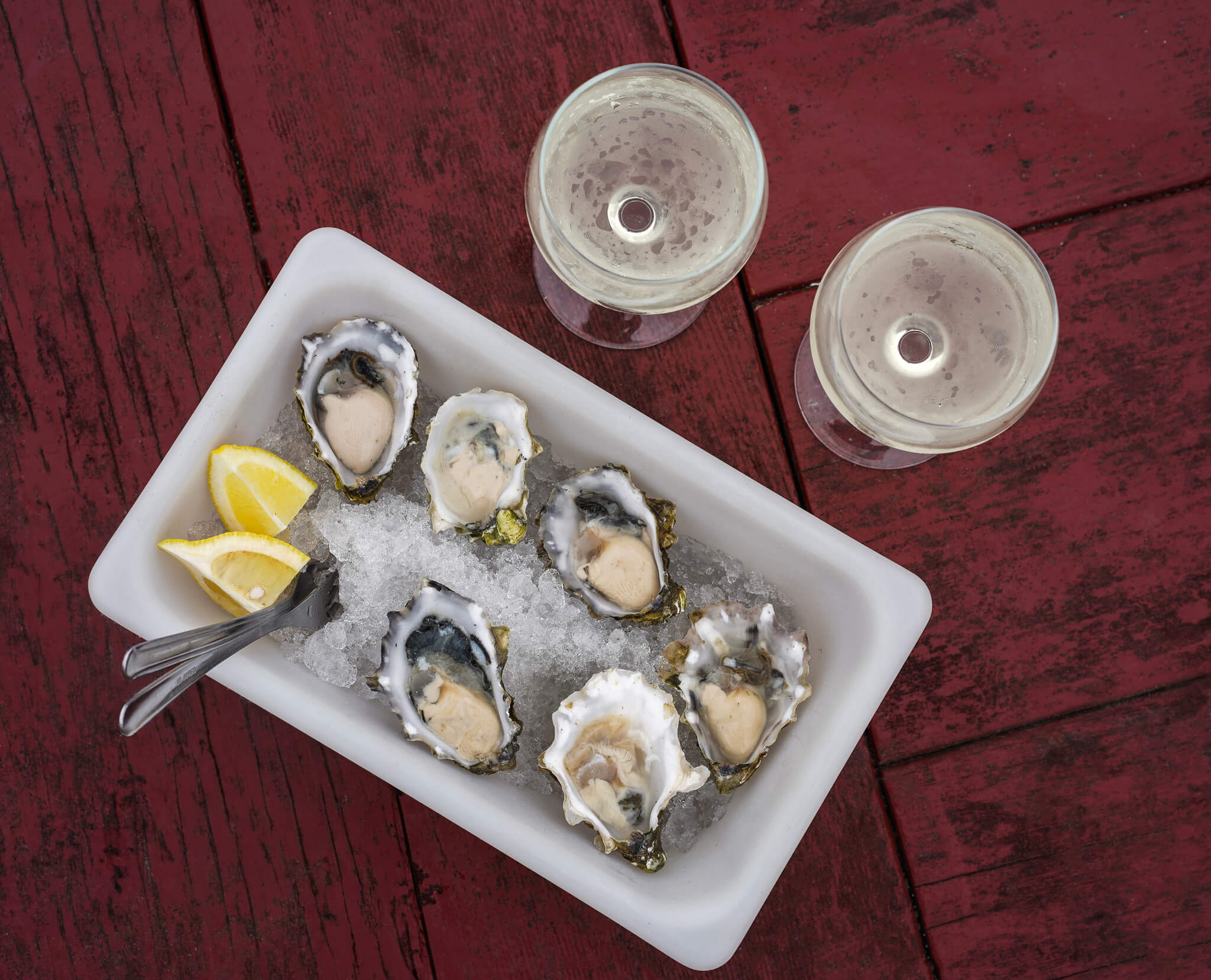
Willapa Bay is internationally recognized for its shellfish-growing waters, particularly its oysters.
Shellfish harvesting is an important part of the region’s economy, culture, and culinary identity.
Recreational shellfish harvesting is allowed only in designated areas during open seasons and when health conditions permit. Much of the tideland area surrounding Willapa Bay is privately owned or leased for commercial shellfish production, so public access does not automatically mean harvesting is permitted.
If you’d rather experience the flavors of the region without gathering shellfish yourself, Pacific County’s seafood markets, oyster farms, and local restaurants offer plenty of opportunities to enjoy fresh coastal seafood.
Explore Shellfish Harvesting Regulations – WDFW
Edible Plants and Coastal Discoveries
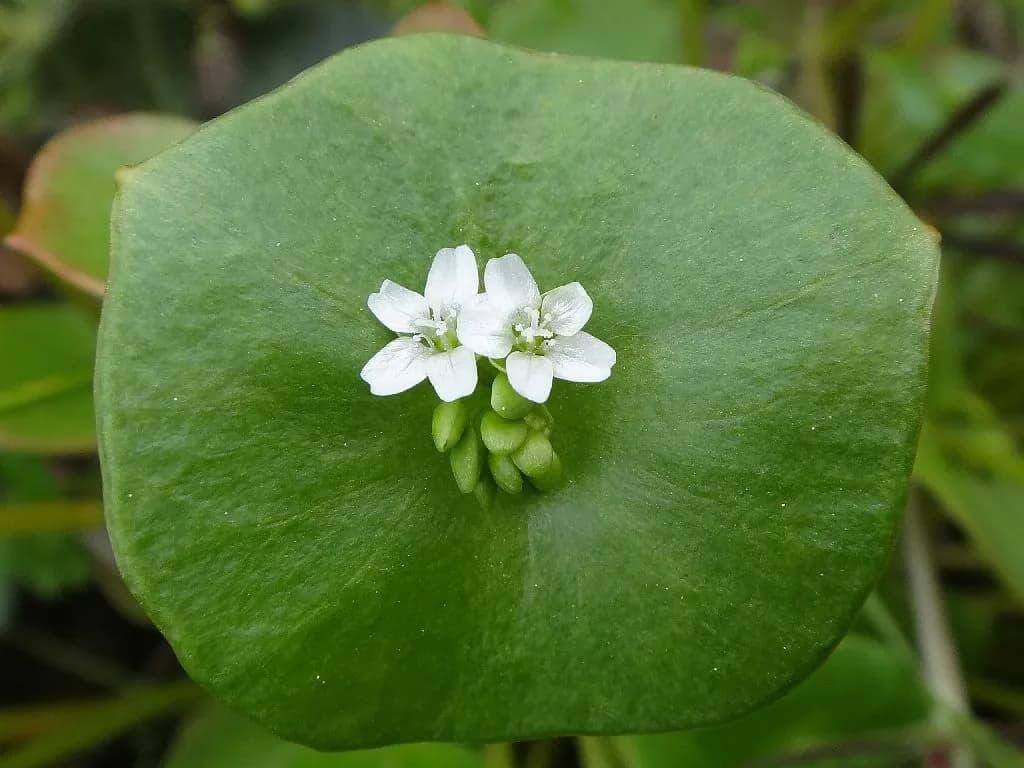
Beyond mushrooms, berries, and shellfish, the Pacific Northwest is home to numerous plants with historical culinary and cultural uses.
Depending on the season and habitat, experienced foragers may encounter plants such as stinging nettles and other native or naturalized edible greens.
Along the shoreline, different species of seaweed contribute to the coastal ecosystem and have traditional and contemporary culinary uses.
Seaweed harvesting, however, has its own licensing requirements, seasonal restrictions, and location-specific rules. Most Washington State Parks prohibit seaweed harvesting, and private tidelands require permission.
For visitors, learning to recognize these plants and understand their ecological importance can be just as interesting as collecting them.
When Is the Best Time to Go Foraging?
One of the most appealing things about foraging in Pacific County is how the experience changes with the seasons.
Spring: New plant growth, early greens, salmonberries, and seasonal fungi begin appearing as the landscape transitions out of winter.
Summer: Wild berries become more abundant, with blackberries, salal berries, and other seasonal fruits appearing throughout the region.
Fall: One of the most popular seasons for mushroom enthusiasts, particularly after periods of rainfall. Evergreen huckleberries may also remain available into the fall.
Winter: Although many plants become dormant, the coast remains an interesting place to explore. Shellfish gathering may be possible during approved openings, and mushroom enthusiasts can continue observing winter fungi.
Seasonal conditions vary from year to year, so the timing of any particular harvest is never guaranteed.
Responsible Foraging: Know Before You Go
Foraging can be a rewarding outdoor activity, but responsible harvesting is essential to protecting Pacific County’s forests, shorelines, and natural habitats.
Before heading out, keep these important guidelines in mind:
- Know where harvesting is permitted. Public access does not always mean collecting plants, mushrooms, or shellfish is allowed. Rules vary between state parks, state forests, wildlife refuges, private property, and other managed lands.
- Never consume an unidentified plant or mushroom. Many poisonous species resemble edible ones. Smartphone apps, photographs, and online identification groups should not be the sole basis for deciding whether something is safe to eat.
- Respect harvesting limits. Washington has different regulations for mushroom collecting, plant gathering, shellfish harvesting, and seaweed collection.
- Leave plenty behind. Wild foods are important resources for local wildlife. Harvest conservatively, avoid damaging surrounding vegetation, and never remove entire populations of plants or fungi.
- Be mindful of sensitive habitats. Stay on established trails when appropriate, avoid disturbing wildlife, and protect fragile coastal environments.
- Check shellfish safety information. Harmful marine biotoxins can make shellfish dangerous to eat, even after cooking. Always check current closures and advisories before harvesting.
- When in doubt, leave it alone. A photograph and a good memory are always better than taking unnecessary risks.
For more information, visit the Washington Department of Natural Resources, Washington Department of Fish and Wildlife, and Washington State Department of Health Shellfish Safety Map.
Discover the Coast, One Season at a Time
Foraging offers a different perspective on Washington’s Evergreen Coast.
It’s a reason to notice the mushrooms growing beneath the trees, the berries tucked among forest shrubs, and the rich marine environment that makes this region so special.
But the experience doesn’t have to end with a basket full of wild foods. Sometimes, the best discoveries are the ones you photograph, learn about, and leave for someone else to enjoy.
Whether you’re exploring Pacific County’s forests, walking the beaches of the Long Beach Peninsula, or discovering the communities surrounding Willapa Bay, there’s always something new to appreciate in the natural world.
Plan your next outdoor adventure on Washington’s Evergreen Coast, and discover what makes this landscape worth exploring in every season.
Visit our Calendar of Events to find upcoming outdoor activities and seasonal experiences throughout Pacific County.
Casi Gerig is a Long Beach, Washington local and emerging writer for Washington’s Evergreen Coast. She focuses on helping visitors discover what makes this stretch of coastline so special—from outdoor adventures to small-town experiences worth the trip. As a local, she brings a genuine perspective to her work and a passion for sharing her community with others. Outside of writing, Casi can be found crafting or walking her rescue dogs on the beach with her two kids.