
Birding on Washington’s Evergreen Coast: A Hidden Gem for Birdwatchers
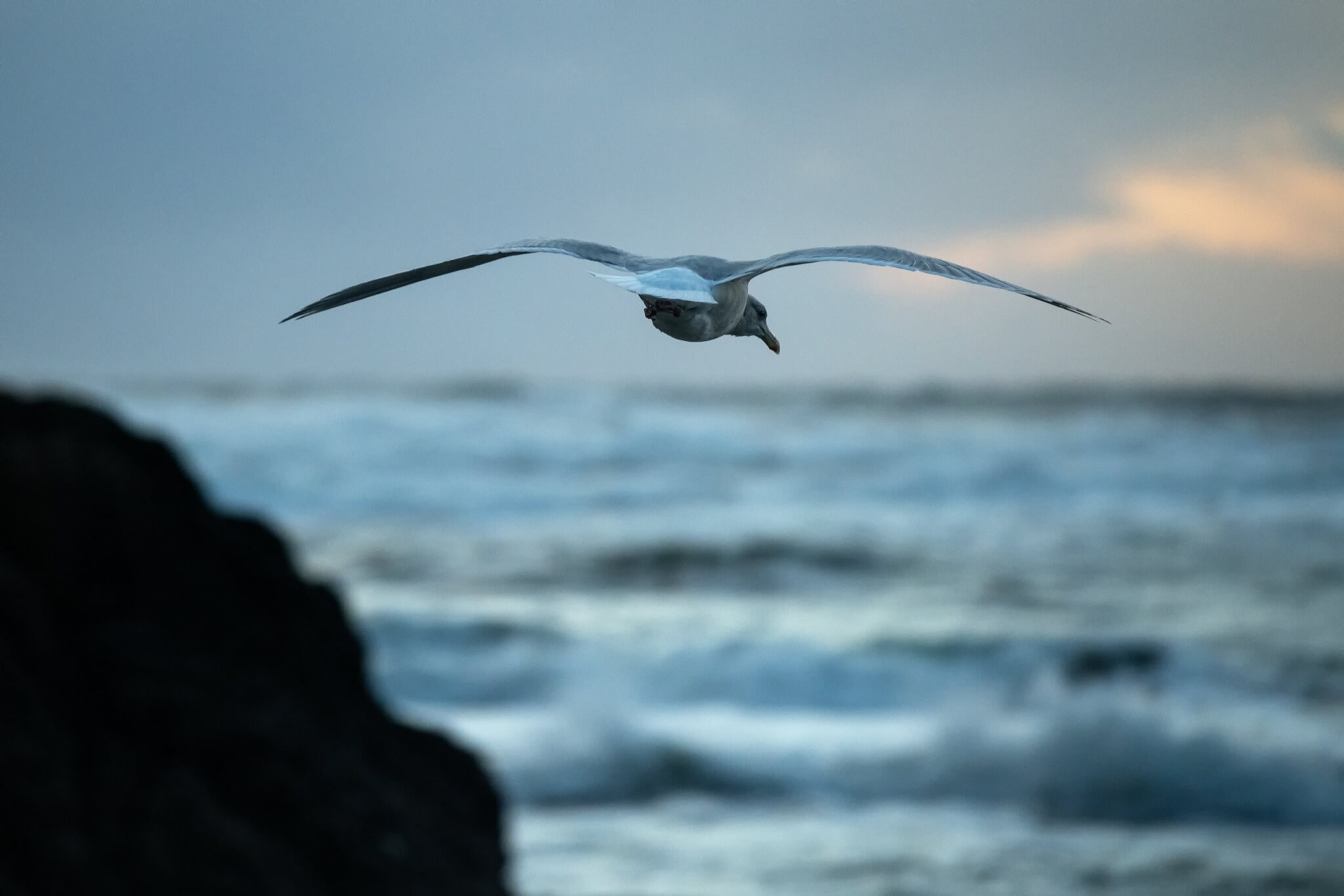
From windswept beaches and tidal flats to quiet forests and sprawling estuaries, Washington’s Evergreen Coast offers one of the most diverse birding experiences in the Pacific Northwest. Located along the Pacific Flyway, Pacific County becomes a seasonal gathering place for migratory birds, shorebirds, raptors, seabirds, and waterfowl throughout the year.
Whether you’re an experienced birder with a spotting scope or simply someone who enjoys slowing down and noticing nature, the Evergreen Coast delivers unforgettable opportunities to observe wildlife in incredible settings.
Why Birders Love Washington’s Evergreen Coast
One of the things that makes this region special is the sheer variety of habitats packed into one destination. In a single day, you can explore ocean beaches, salt marshes, bays, rivers, forests, dunes, and freshwater wetlands — all supporting different species and migration patterns.
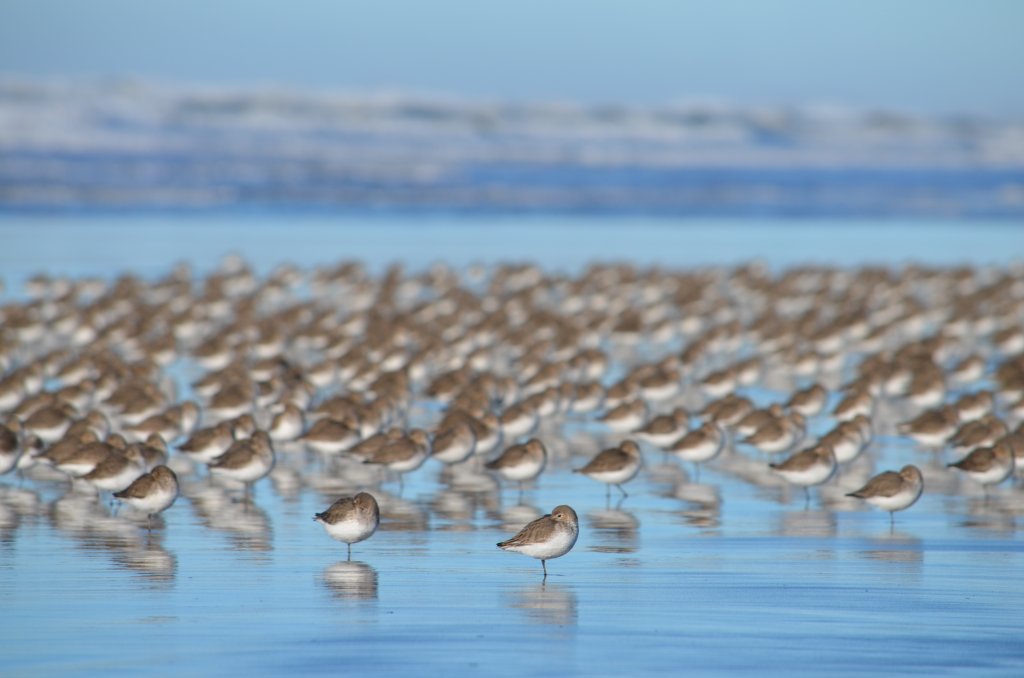
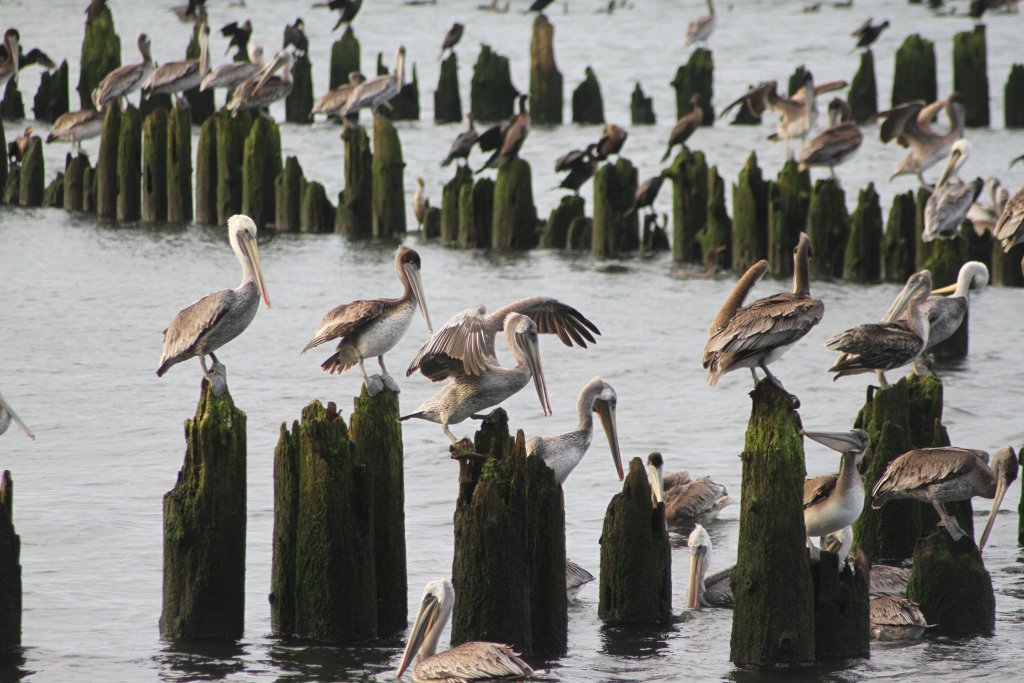
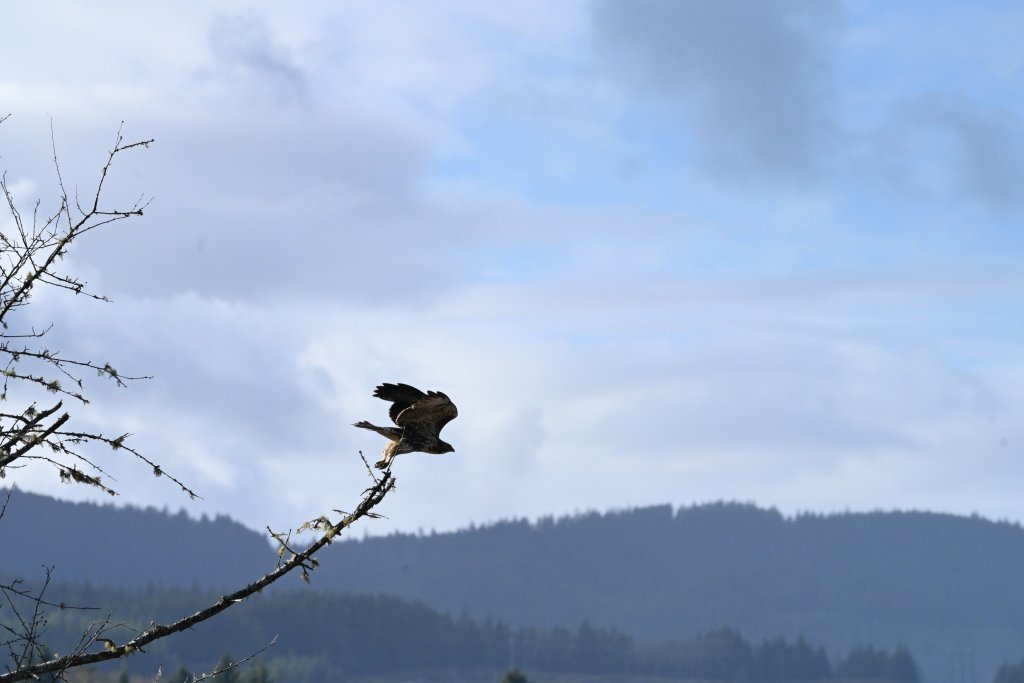
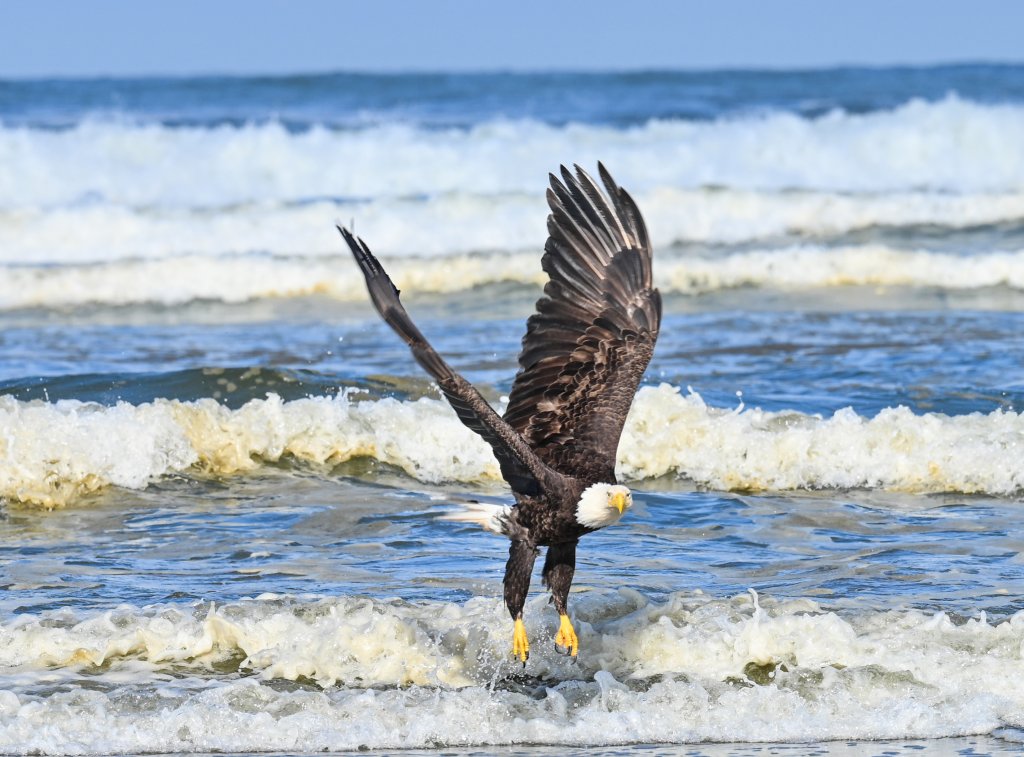
Because Pacific County sits directly on the Pacific Flyway, migratory birds regularly stop here to rest and feed during their long seasonal journeys. Depending on the time of year, visitors may spot everything from bald eagles and great blue herons to sandpipers, snowy plovers, red-tailed hawks, pelicans, and thousands of migrating waterfowl.
The quieter pace of the coast also creates ideal birding conditions. Many locations remain uncrowded, allowing for peaceful observation and photography opportunities without the distractions often found in larger tourist destinations.
Top Birding Spots on Washington’s Evergreen Coast
Leadbetter Point State Park
Located at the northern tip of the peninsula, Leadbetter Point State Park is widely considered one of the premier birding destinations in Washington State.
This remote coastal park features dunes, mudflats, marshes, and shoreline habitat that attract a wide range of species throughout the year. During migration seasons, birders often encounter sandpipers, dunlins, plovers, and large flocks of shorebirds feeding along Willapa Bay.
Winter months can bring impressive numbers of waterfowl, while raptors frequently patrol the skies overhead.
The peaceful trails and expansive views make it an incredible place to spend a full morning exploring.
Willapa National Wildlife Refuge
Stretching across diverse ecosystems near Willapa Bay, Willapa National Wildlife Refuge provides critical habitat for migratory birds and native wildlife.
Boardwalks and trails wind through wetlands and forests where visitors may see great blue herons, woodpeckers, swallows, eagles, and seasonal waterfowl. During migration, the refuge becomes especially active as birds move along the Pacific Flyway.
The refuge is also a fantastic location for wildlife photography thanks to its open viewing areas and changing seasonal landscapes.

Willapa Bay
Willapa Bay itself is a massive estuary that supports one of the richest ecosystems on the Washington coast.
Its mudflats and eelgrass beds create ideal feeding grounds for shorebirds and migratory species. During certain times of year, enormous flocks can be seen moving across the bay in synchronized patterns as tides shift.
The bay’s calm waters also attract seabirds, loons, grebes, and diving ducks throughout the colder months.
Cape Disappointment State Park
Birding isn’t limited to wetlands and estuaries. Cape Disappointment State Park offers dramatic coastal scenery paired with excellent opportunities to observe seabirds and raptors.
Perched where the Columbia River meets the Pacific Ocean, the park’s cliffs and viewpoints are ideal for spotting pelicans, cormorants, gulls, bald eagles, and migrating seabirds offshore.
During spring and fall migrations, patient observers may even catch glimpses of species moving along the coastline in large numbers.
Seasonal Birding on the Coast
Winter
Winter transforms the Evergreen Coast into a haven for waterfowl and migratory species escaping colder northern climates. Bays, wetlands, and estuaries fill with ducks, geese, swans, and shorebirds.
Storm watching season also creates opportunities to spot seabirds riding winter weather systems offshore.
Spring
Spring migration brings constant activity as birds return north. Songbirds become more active, shorebird numbers increase, and nesting season begins throughout the region.
This is one of the best times to experience the incredible diversity of species moving through Pacific County.
Summer
Summer birding offers calmer weather and nesting activity across beaches, marshes, and forests. Coastal species remain active while many migratory birds settle into breeding grounds.
Early mornings during summer can be especially rewarding for bird photography and wildlife viewing.
Fall
Fall migration delivers another spectacular wave of movement along the Pacific Flyway. Shorebirds gather along tidal flats while raptors begin seasonal migration patterns.
The quieter atmosphere of fall paired with dramatic coastal scenery makes it a favorite season for many birders.

Tips for Birding on Washington’s Evergreen Coast
- Bring layers and prepare for changing coastal weather conditions.
- Early mornings and evenings often provide the best wildlife activity.
- Binoculars or a spotting scope can dramatically improve viewing opportunities.
- Respect wildlife habitats and give birds plenty of space, especially during nesting seasons.
- Check tides before visiting coastal mudflats and bay areas.
- Keep an eye out for whales, elk, and other wildlife often seen alongside bird species throughout the region.
- Be bear aware, especially Spring through Fall. While black bears are typically timid and scared of humans, keep your distance.
More Than Just Birding
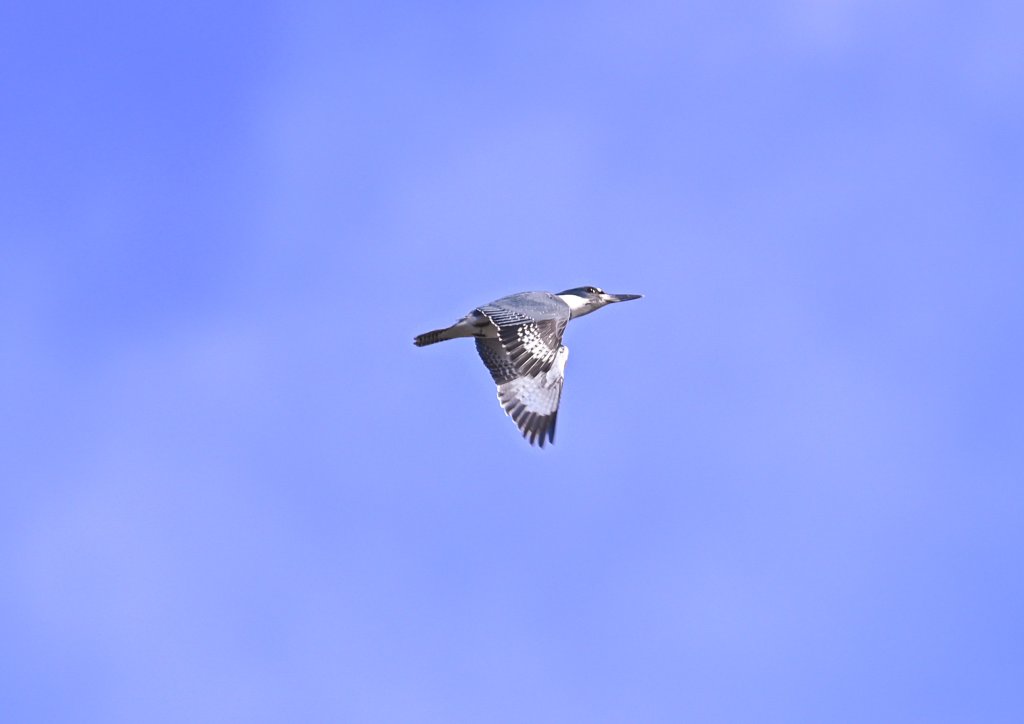
One of the best parts about birding on Washington’s Evergreen Coast is everything else waiting nearby. After a morning on the trails, visitors can explore coastal towns, fresh seafood restaurants, museums, beaches, and scenic drives throughout Pacific County.
Birding here becomes more than a checklist of species — it’s an opportunity to slow down, experience changing seasons, and connect with the landscapes that make this stretch of Washington coast so unique.
Whether you’re chasing rare sightings or simply enjoying a peaceful walk with binoculars in hand, Washington’s Evergreen Coast offers year-round birding experiences worth returning for again and again.

Casi Gerig is a Long Beach, Washington local and emerging writer for Washington’s Evergreen Coast. She focuses on helping visitors discover what makes this stretch of coastline so special—from outdoor adventures to small-town experiences worth the trip. As a local, she brings a genuine perspective to her work and a passion for sharing her community with others. Outside of writing, Casi can be found crafting or walking her rescue dogs on the beach with her two kids.