The commercial crab season has officially opened on Washington’s Evergreen Coast — and along our working waterfronts, bays, and harbors, that moment arrives with a sense of anticipation, pride, and deep connection to place.
Here, crabbing in Washington isn’t just an industry. It’s a defining part of our coastal identity. It ties together generations of fishing families, local businesses, and the waters that sustain our communities. And for visitors, it is one of the most authentic — and most delicious — ways to experience life on the Evergreen Coast.
When crab season opens, the ports come alive in a way that feels unmistakably coastal. Fleets spend months preparing — repairing gear, stacking pots, coordinating crews, and watching the winter weather.
Once the opener is announced, the working waterfronts shift into full motion. Boats cross the bar and head out to sea, processors begin receiving the catch, and fuel docks, marine shops, and support businesses all move into their seasonal rhythm.
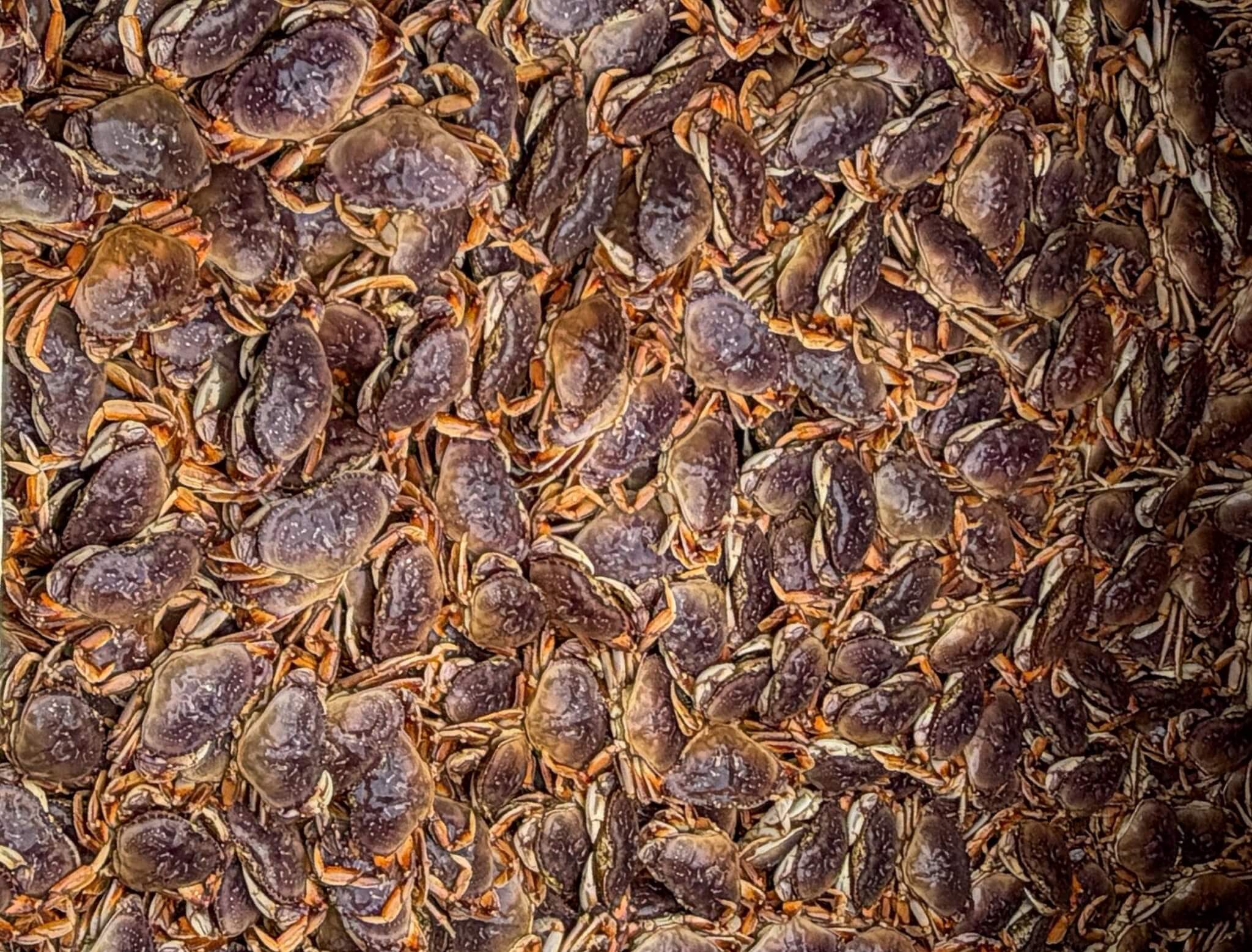
Dungeness crab remains one of the cornerstones of our coastal economy and cultural heritage. For the captains and crews who haul pots through cold winter conditions, it is more than a job — it is a craft shaped by skill, discipline, and respect for the ocean. Their work brings one of the Pacific Northwest’s most iconic seafood traditions to tables across the region.
From Boat to Table: How Visitors Experience Local Crab
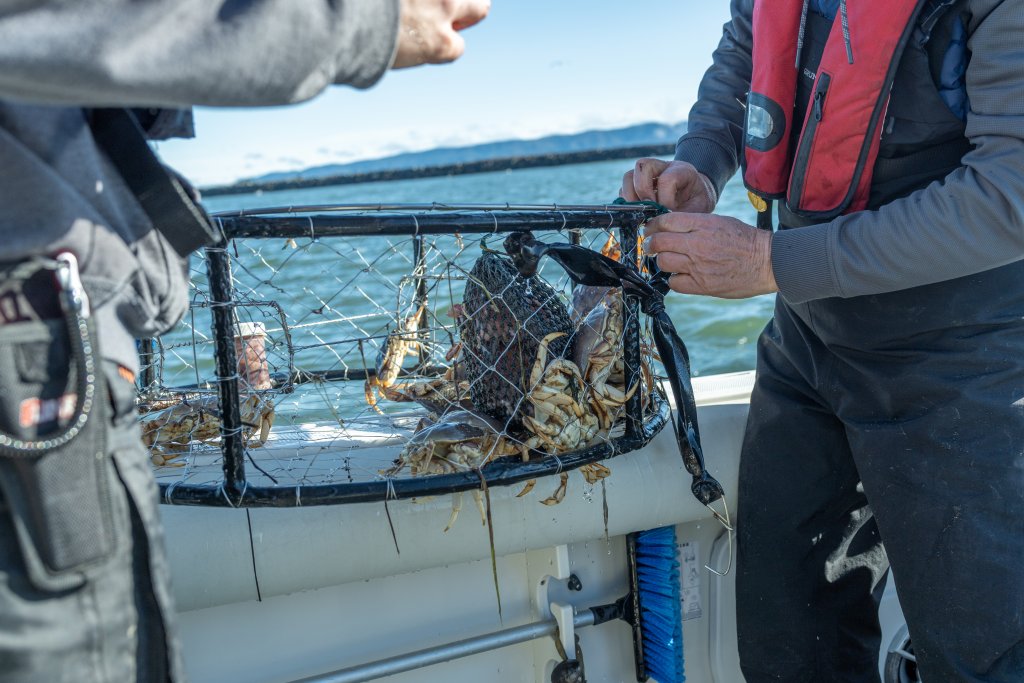
For travelers visiting during crab season on Washington’s Evergreen Coast, this is one of the best times of year to enjoy fresh local Dungeness crab.
Restaurants and coastal eateries highlight the catch on seasonal menus — from house-made chowders and crab melts to seafood rolls, dinner plates, and chef-inspired specials.
Local seafood markets also offer whole, fresh, or cooked crab to take home, enjoy at your vacation rental, or pack up on your way out of town — a delicious, hands-on way to experience the Evergreen Coast like a local.
Dining along the waterfront during crab season offers more than a meal. It creates a connection — between visitors and the fleets just offshore, the dockside crews, and the traditions that have shaped our communities for generations.
Recreational Crabbing: A Coastal Tradition
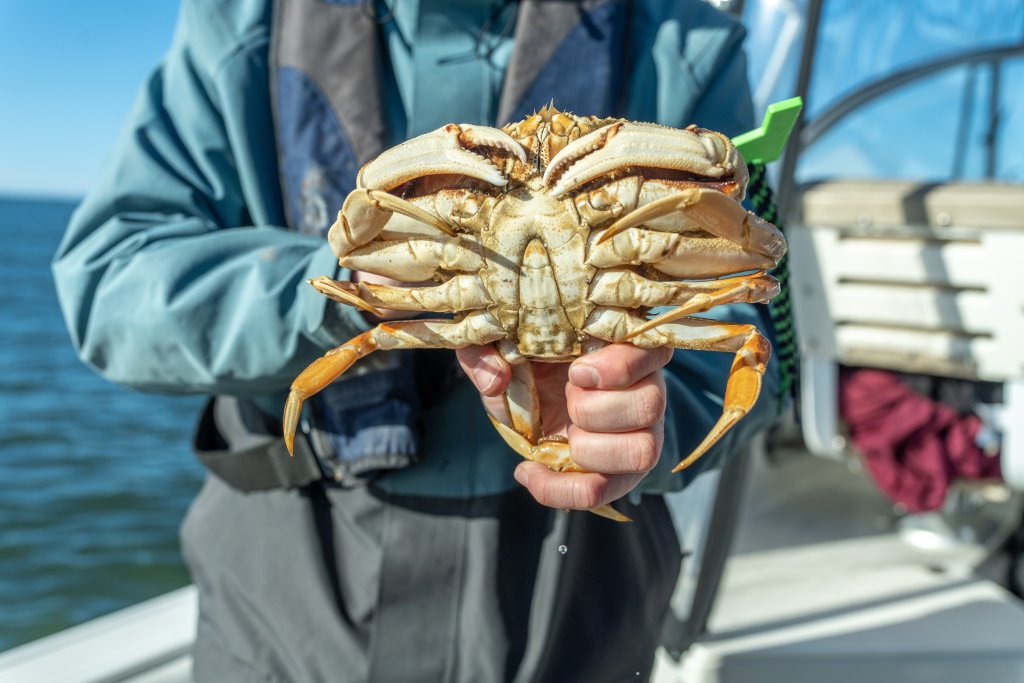
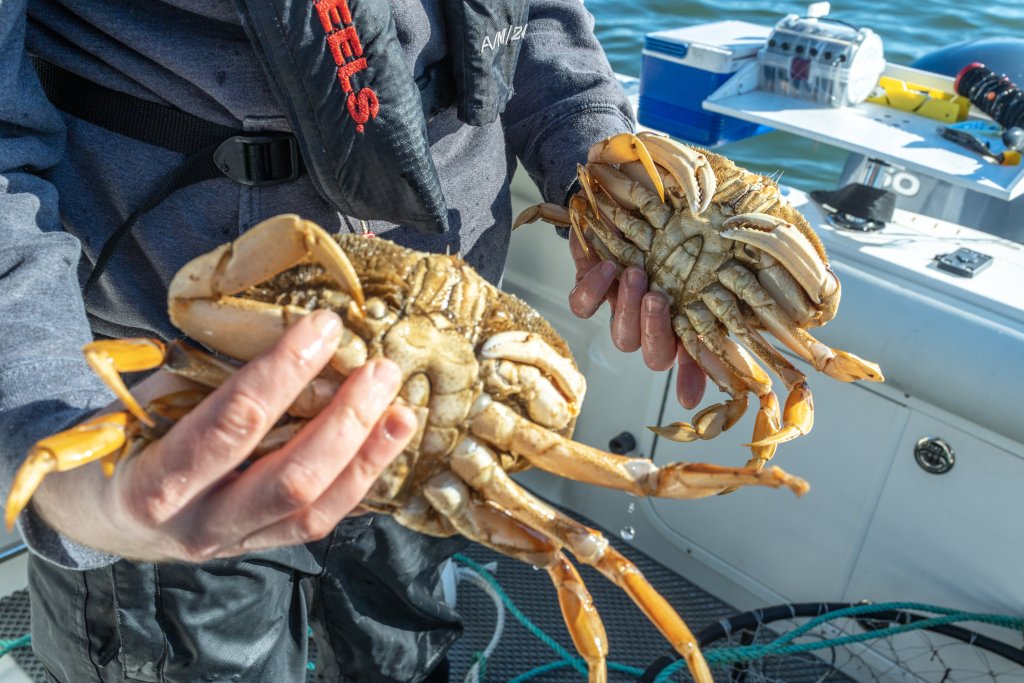
Alongside the commercial boats, recreational crabbers also take to the water — and for many families, residents, and longtime visitors, dropping a crab pot is a tradition rooted in memory and joy.
Picture early morning fog drifting across the bay, gulls circling overhead, and the quiet thrill as a pot is pulled from the water. Some people set pots from boats, others crab from piers, docks, or shoreline access points like the Cape Disappointment Jetty.
For newcomers, each trip offers a chance to learn the tides and find their favorite spots. For children, the first keeper crab becomes a lifelong memory. And at day’s end, cooking and cracking the catch becomes part of the experience — simple, satisfying, and deeply local.
Planning to Visit During Crab Season?
If you’re planning a trip to the coast this winter, crab season is one of the best times to visit. Recreational crabbers should check current WDFW regulations, purchase a license, and follow all size and catch limits to support sustainable harvests.
And if you’d rather leave the gear to the pros, Evergreen Coast restaurants and seafood markets are ready to serve up fresh, local Dungeness crab prepared with care and coastal flair.
Whether you’re cheering on our commercial fleets, planning a winter getaway, or enjoying a plate of warm crab with a harbor view, crab season on Washington’s Evergreen Coast is one of the most meaningful and memorable ways to experience the Pacific Northwest.
The season is open — and the coast is ready to welcome you.