
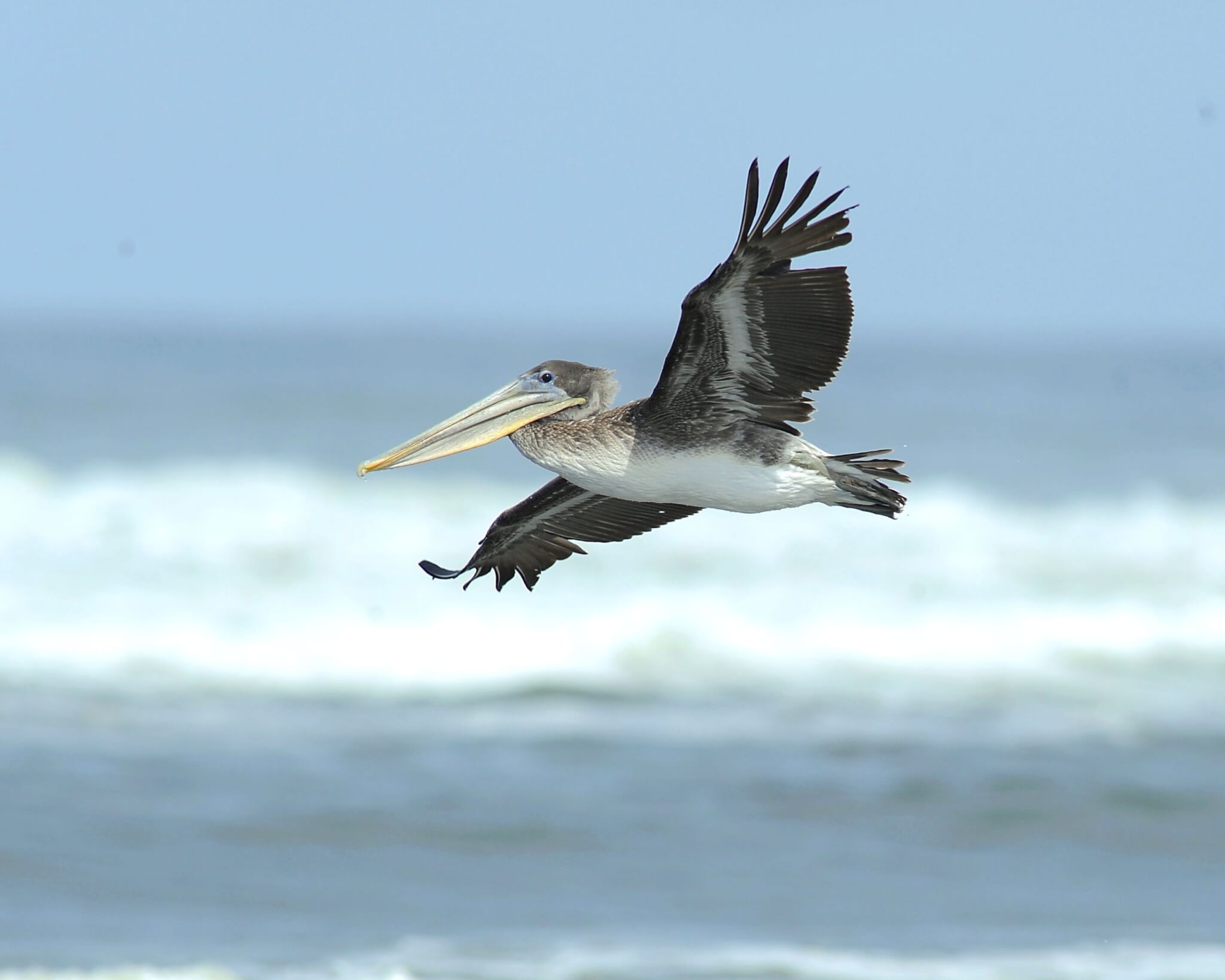
Wildlife Photography on Washington’s Evergreen Coast | Best Locations & Tips
Sometimes the best moments on Washington’s Evergreen Coast are the ones you didn’t plan.
A bald eagle perched high above the shoreline. A great blue heron standing perfectly still in the shallows. A herd of elk emerging from a misty meadow. Or hundreds of shorebirds moving together across the beach.
These are the moments that make wildlife photography along Washington’s southwest coast so rewarding.
With miles of Pacific coastline, the protected waters of Willapa Bay, forested hills, freshwater wetlands, and winding rivers, Pacific County is home to an impressive variety of wildlife. For photographers, that means endless opportunities to capture nature in its element.
Whether you’re traveling with professional camera equipment or simply enjoy taking photos on your phone, wildlife photography is a wonderful way to experience the quieter, wilder side of Washington’s Evergreen Coast.
A Wildlife Photographer’s Paradise
One of the things that makes Washington’s Evergreen Coast special is the variety of habitats found within a relatively small geographic area.
In a single day, you can photograph shorebirds along the Pacific Ocean, search for eagles near Willapa Bay, explore forest trails for woodland wildlife, and watch waterfowl along the region’s rivers and wetlands.
The Willapa National Wildlife Refuge alone provides habitat for more than 200 bird species, including over 30 species of shorebirds and more than 30 species of waterfowl.
The refuge’s combination of tidal flats, coastal forests, marshes, grasslands, and beaches creates opportunities for wildlife photography throughout the year.
And while birds tend to steal the spotlight, they’re far from the only wildlife worth looking for.
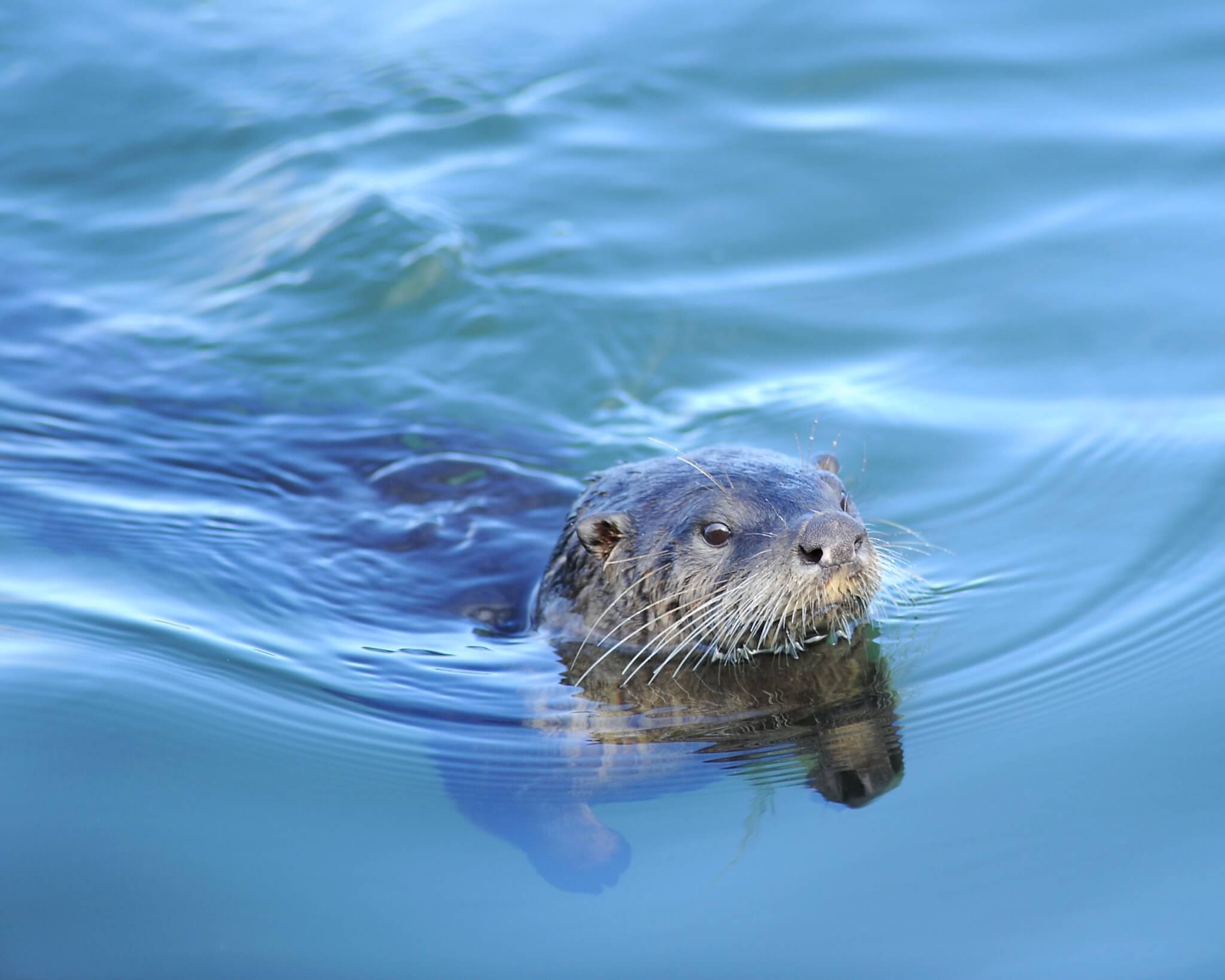
River otters, Roosevelt elk, deer, harbor seals, and occasionally even black bears are among the animals that inhabit the region.
Wildlife Worth Photographing
Bald Eagles
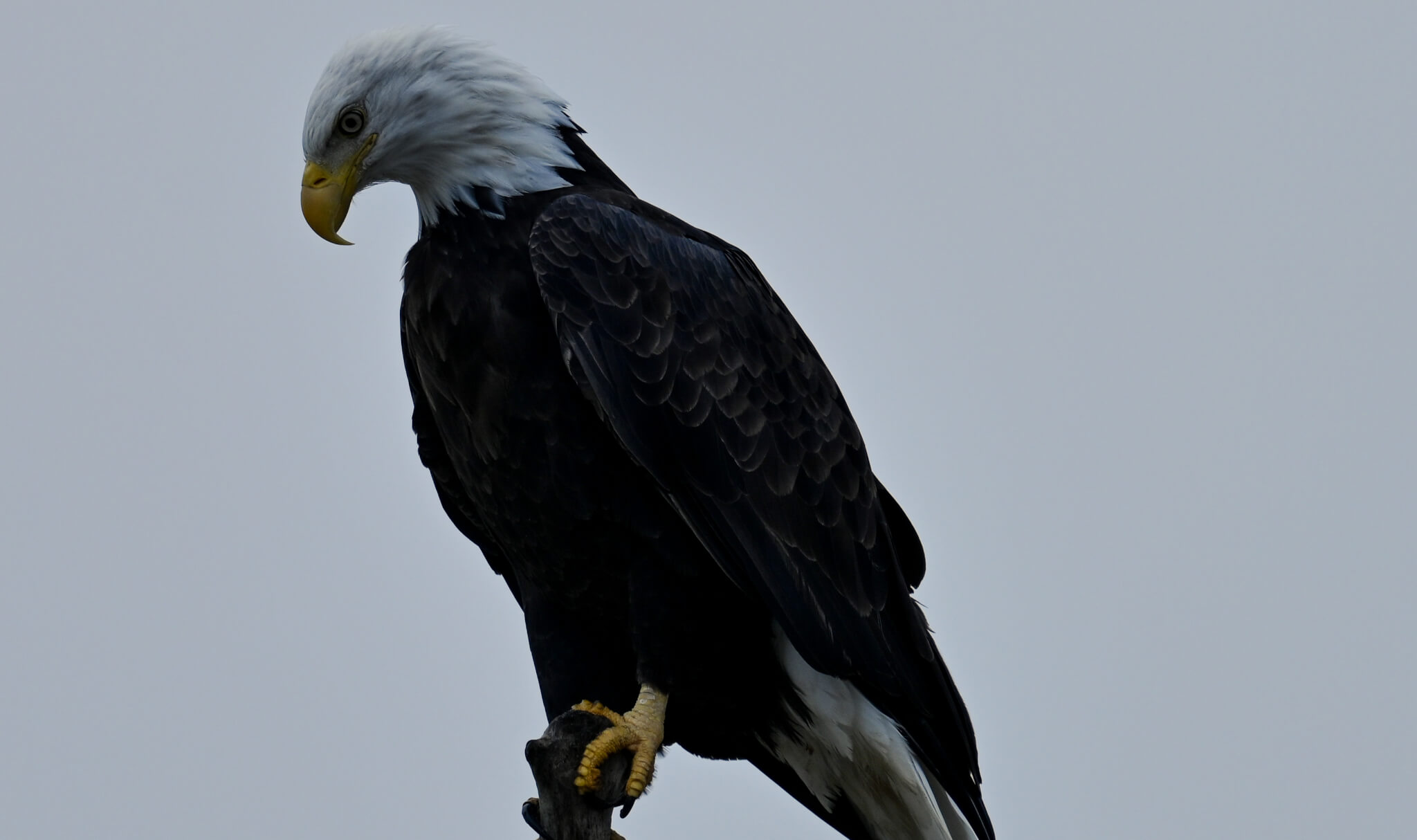
A familiar sight throughout Pacific County, bald eagles can often be spotted perched in tall trees, soaring above waterways, or searching for fish. Look around Willapa Bay, the Columbia River, and other coastal waterways, particularly where open water meets forest.
Great Blue Herons
With their long legs, graceful necks, and incredible patience, great blue herons are excellent photography subjects. Look for them hunting along tidal flats, estuaries, and marshes. Their slow, deliberate movements can make them especially rewarding for beginner photographers.
Roosevelt Elk
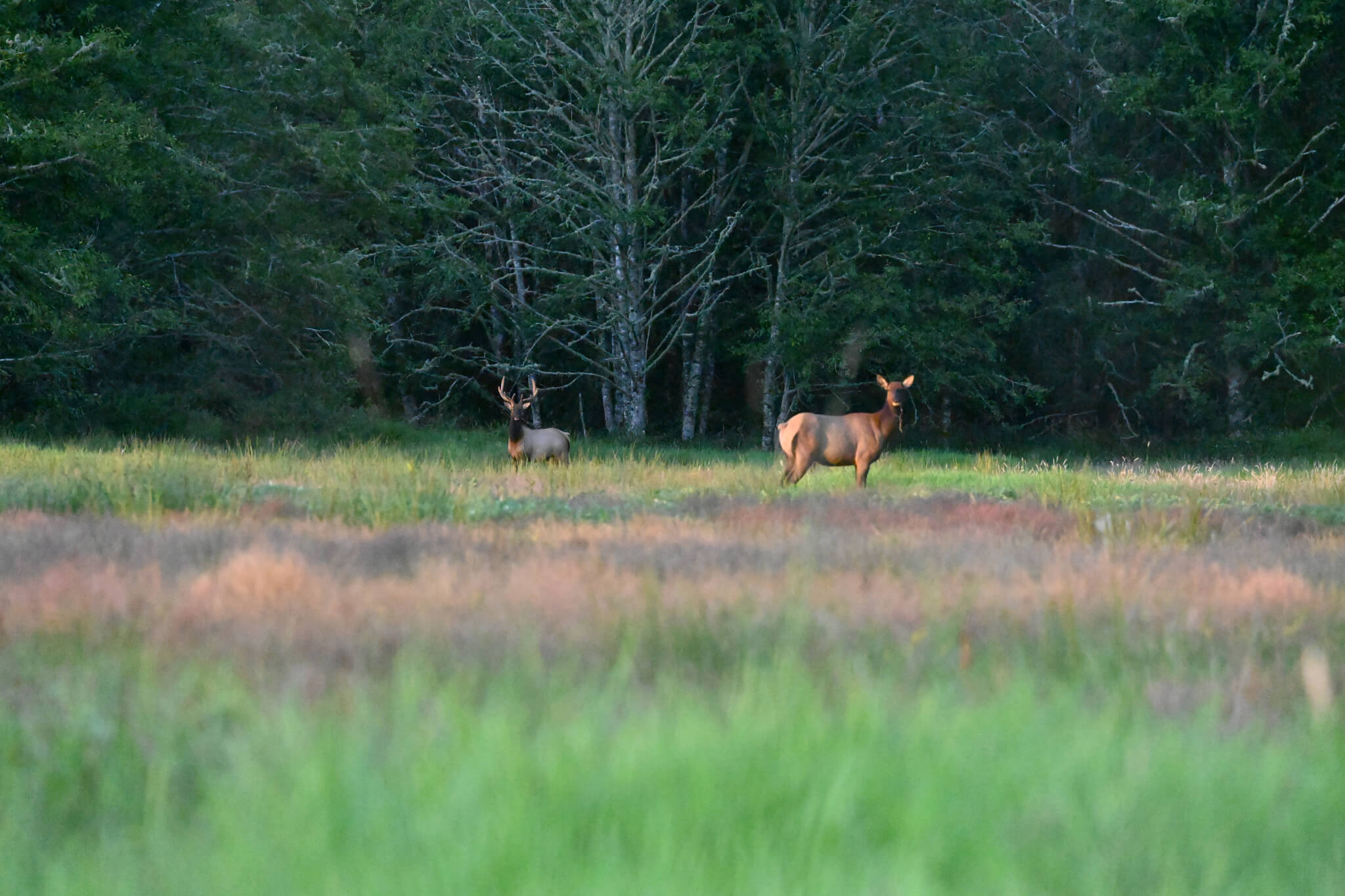
Seeing a Roosevelt elk in the wild is an unforgettable experience. These impressive animals inhabit forested areas and open meadows around Willapa Bay. Early mornings and evenings can provide opportunities to observe them from a safe distance.
Migratory Shorebirds
Every year, migrating shorebirds stop along the Evergreen Coast. Sandpipers, plovers, dunlin, and other species gather along beaches and tidal flats. Photographing an entire flock lifting into the air or moving across wet sand can produce spectacular images.
River Otters
Playful, curious, and often elusive, river otters inhabit the waterways and wetlands of Pacific County. Their quick movements can make them challenging to photograph, but spotting one swimming or surfacing in a quiet inlet is always a treat.
Gray Whales
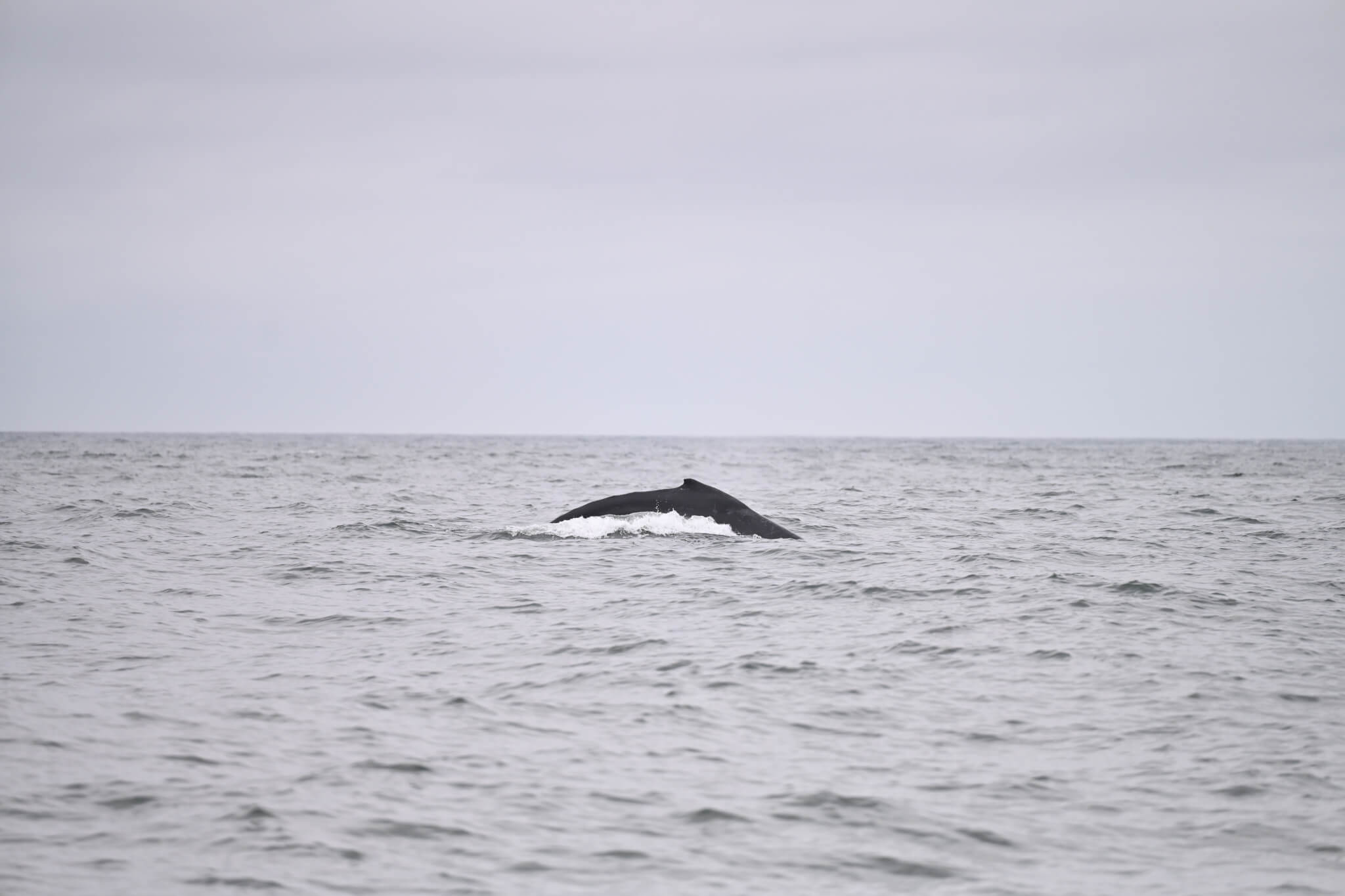
The coastline also offers opportunities to photograph marine wildlife. During gray whale migration periods, keep an eye on the ocean from established coastal viewpoints. Even spotting the misty spray of a whale’s blow can make for a memorable photograph.
Where to Photograph Wildlife on Washington’s Evergreen Coast
Willapa National Wildlife Refuge
For anyone interested in wildlife photography, Willapa National Wildlife Refuge deserves a place near the top of the list.
The refuge protects more than 21,000 acres of coastal habitats and offers several locations for visitors to explore with their cameras.
The South Bay Trail provides an opportunity to photograph birds against an expansive landscape of marshes, grasslands, and water. Its overlook is a particularly good location to look for migrating waterfowl, shorebirds, and bald eagles.
The nearby Tarlatt Slough Trail offers views across wetlands and open fields where photographers may encounter raptors, swallows, waterfowl, and occasionally larger mammals.
For photographers who enjoy a quieter setting, these trails offer an opportunity to slow down, listen to the surroundings, and wait for wildlife to appear naturally.
Photography tip: Bring a telephoto lens or binoculars and allow yourself plenty of time. Some of the best wildlife photographs happen after you’ve stopped walking and simply watched what’s happening around you.
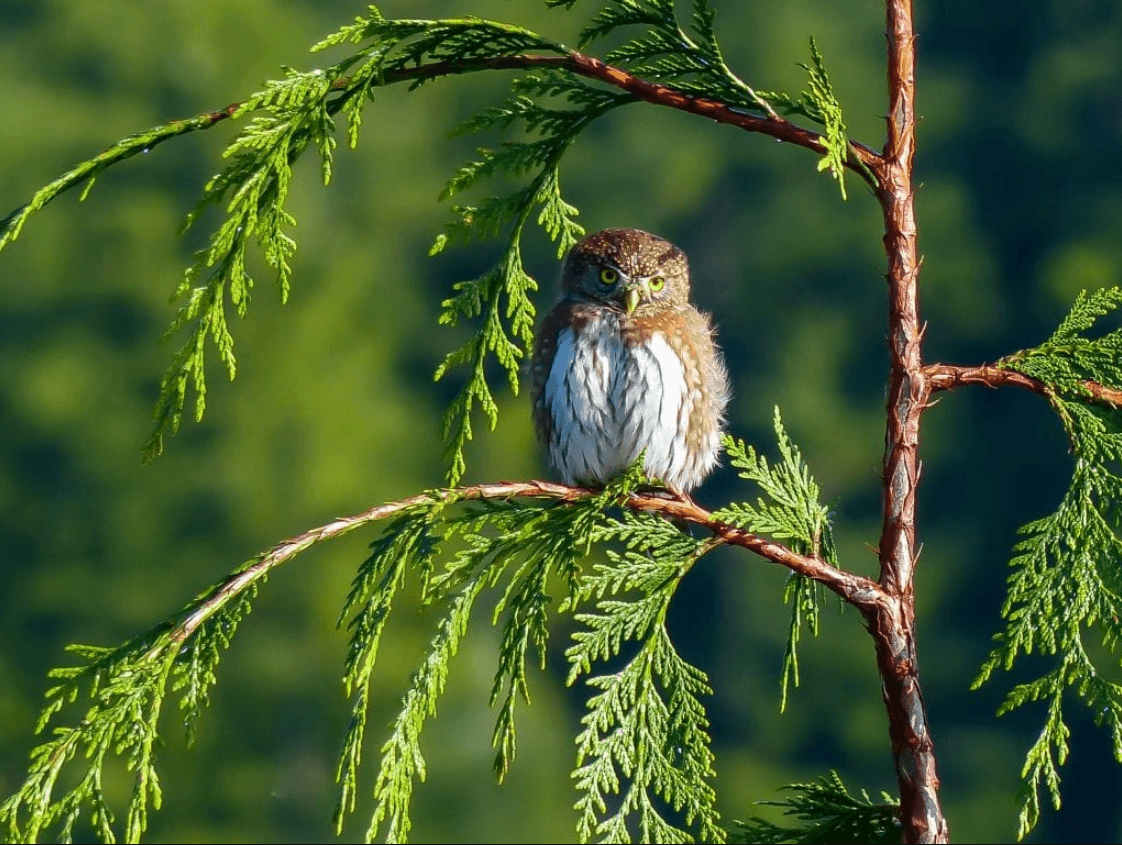
Leadbetter Point State Park
At the northern end of the Long Beach Peninsula, Leadbetter Point State Park brings together coastal forest, sandy beaches, dunes, and the waters of Willapa Bay.
It’s an especially interesting destination for bird photography.
Depending on the season, visitors may spot shorebirds along the shoreline, birds of prey overhead, and smaller woodland birds moving through the trees.
Spring and fall migrations can be particularly rewarding, while the forest offers birdwatching opportunities in other seasons.
Leadbetter Point also offers a chance to capture wildlife within its surroundings. Rather than filling the frame entirely with a bird, try including the shoreline, grasses, or coastal forest to tell a broader story about its habitat.
Important: Parts of Leadbetter Point are seasonally closed to protect nesting birds. Always follow posted signs, remain in permitted areas, and check trail conditions before visiting.
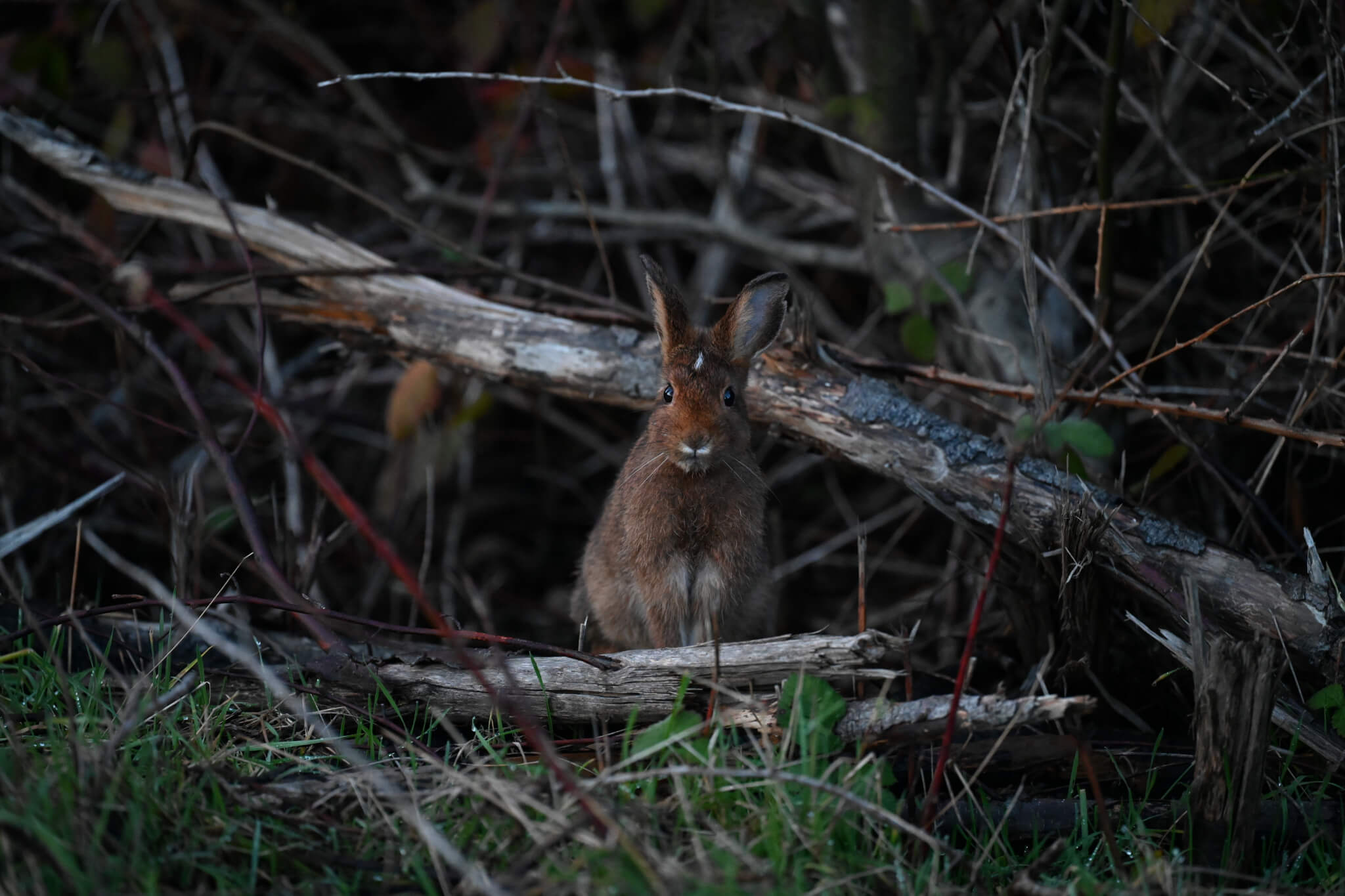
Cape Disappointment State Park
Where the Columbia River meets the Pacific Ocean, Cape Disappointment State Park offers a dramatically different setting for wildlife photography.
Here, rocky shorelines, coastal forests, freshwater lakes, and sweeping ocean views create opportunities for photographing both wildlife and the landscape it inhabits.
Photographers can watch for seabirds, eagles, and other coastal bird species. During gray whale migration periods, ocean viewpoints may offer an opportunity to spot whales offshore.
The area’s coastal scenery also provides beautiful natural backdrops, especially when morning mist or changing weather moves through.
Photography tip: A longer lens is helpful for photographing birds and distant marine wildlife. Keep your distance from animals and use established, safe viewpoints rather than approaching dangerous cliffs or surf.
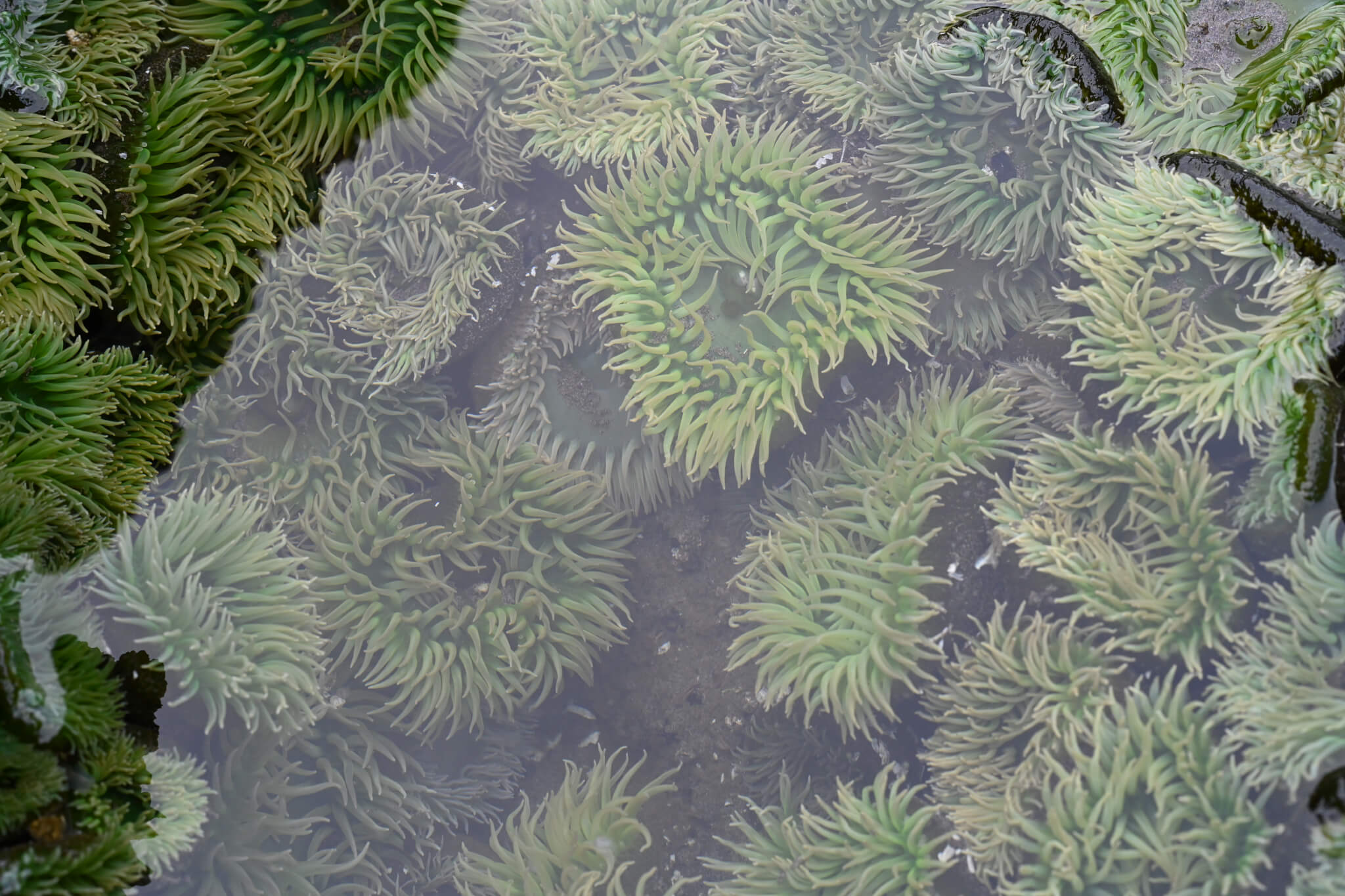
Willapa Hills State Park Trail: Raymond to South Bend
Not every great wildlife photograph needs an ocean backdrop.
In North Pacific County, the Willapa Hills State Park Trail offers a different kind of experience.
The trail passes through a changing landscape of wooded areas, river corridors, fields, and wetlands. The paved section between Raymond and South Bend provides an approachable way to explore the area on foot or by bicycle.
This landscape is particularly well suited to photographers who enjoy looking for songbirds, waterfowl, and other wildlife that inhabit the Willapa River corridor.
For a different perspective, pay attention to the smaller details: a bird perched among fall foliage, a waterfowl silhouette on the river, or morning fog rising above the wetlands.
The trail is a reminder that some of the best wildlife encounters happen close to our coastal communities.
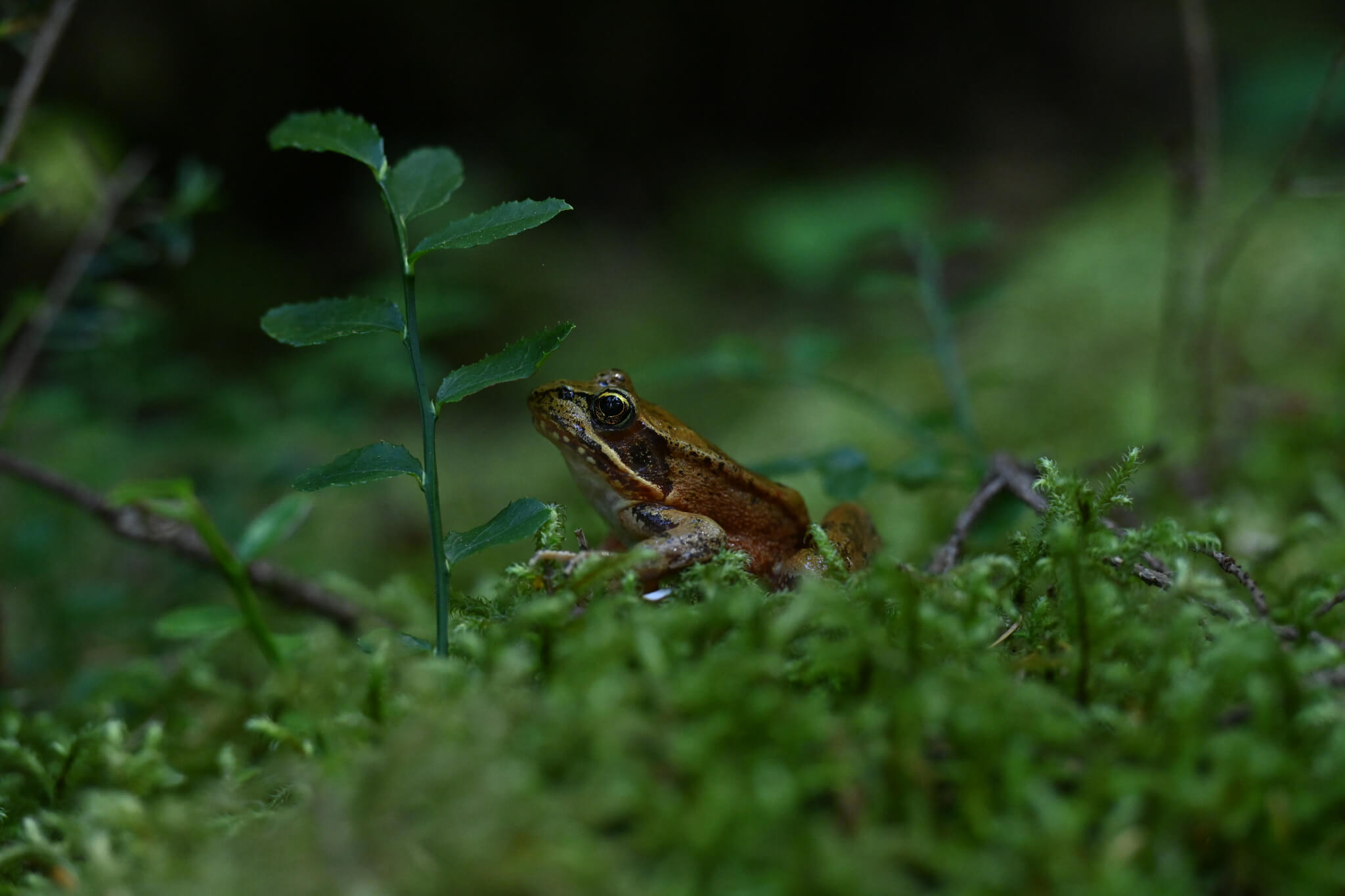
Willapa Bay and Its Quiet Waterways
Willapa Bay is one of the defining natural features of Washington’s Evergreen Coast, and its tidal channels and sheltered waterways provide an extraordinary environment for wildlife.
From accessible shorelines and designated viewing areas, photographers can look for shorebirds, herons, eagles, and waterfowl.
For experienced paddlers, a kayak can offer another perspective on the bay’s wildlife and the coastal landscape, provided conditions are safe and animals are given plenty of space.
Unlike a traditional trail, the scenery here changes constantly with the tides. Exposed mudflats can attract feeding birds, while higher water creates entirely different reflections and compositions.
Photography tip: Check tide charts and weather conditions before heading out. Willapa Bay’s strong tidal changes can create hazardous conditions, particularly for paddlers unfamiliar with the area.
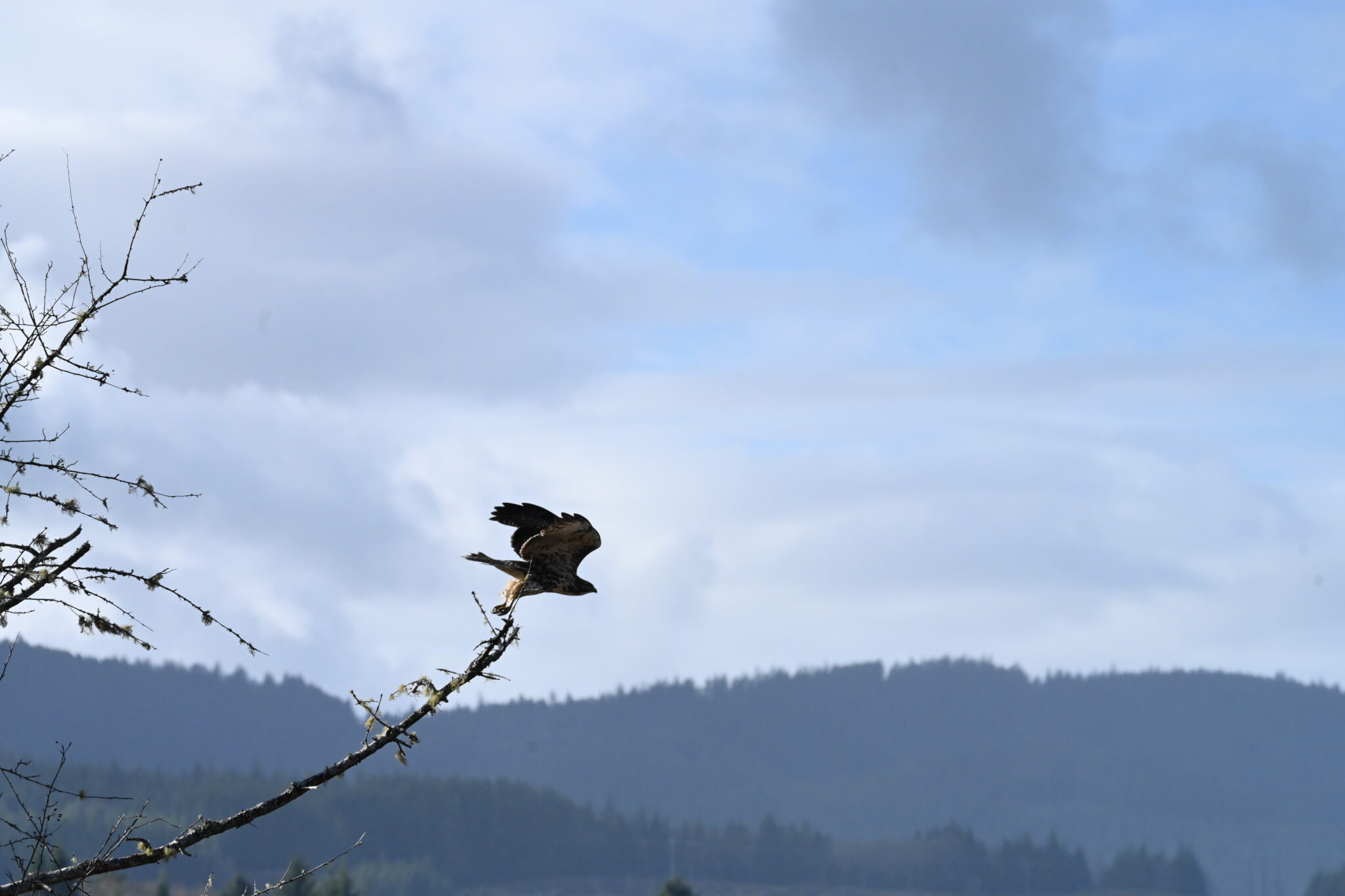
The Best Time of Year for Wildlife Photography
One of the greatest advantages of wildlife photography on Washington’s Evergreen Coast is that every season brings something different.
| Season | What to look for |
| Spring | Migrating shorebirds, nesting activity observed from a distance, songbirds, and gray whale migration |
| Summer | Herons, swallows, eagles, woodland birds, and wildlife around the bays and rivers |
| Fall | Migrating waterfowl, returning shorebirds, elk, and wildlife photographed against changing seasonal colors |
| Winter | Ducks, geese, shorebirds, eagles, and gray whales during the winter migration period |
Wildlife sightings are never guaranteed, but that’s part of the adventure. A location that seems quiet one morning may be full of activity the next.
For many photographers, early mornings and late afternoons offer the best combination of wildlife activity and beautiful natural light.
Tips for Capturing Great Wildlife Photos
You don’t need expensive photography equipment to enjoy wildlife photography. While a telephoto lens can be helpful, understanding animal behavior and being patient can make just as much difference.
Here are a few ways to improve your experience:
- Take your time. Find a comfortable location and watch for movement. Animals are often easier to photograph when you allow them to continue their natural behavior.
- Use natural light. Early mornings and late afternoons provide softer light that can bring out the details in feathers, fur, and surrounding landscapes.
- Photograph the surroundings. A heron standing in a misty marsh or an eagle perched above Willapa Bay can tell a more interesting story than a tightly cropped image.
- Keep your distance. Use a zoom lens or binoculars rather than approaching wildlife. Never chase, feed, or disturb animals for a photograph.
- Prepare for coastal weather. Rain, wind, fog, and changing tides are all part of the experience. Protect your camera equipment and wear clothing suited to changing conditions.
- Bring your patience. Wildlife doesn’t operate on a schedule. Sometimes the most rewarding part of the experience is simply spending time outdoors.
For more information about responsible photography, visit the Washington Department of Fish & Wildlife’s wildlife viewing guidelines.
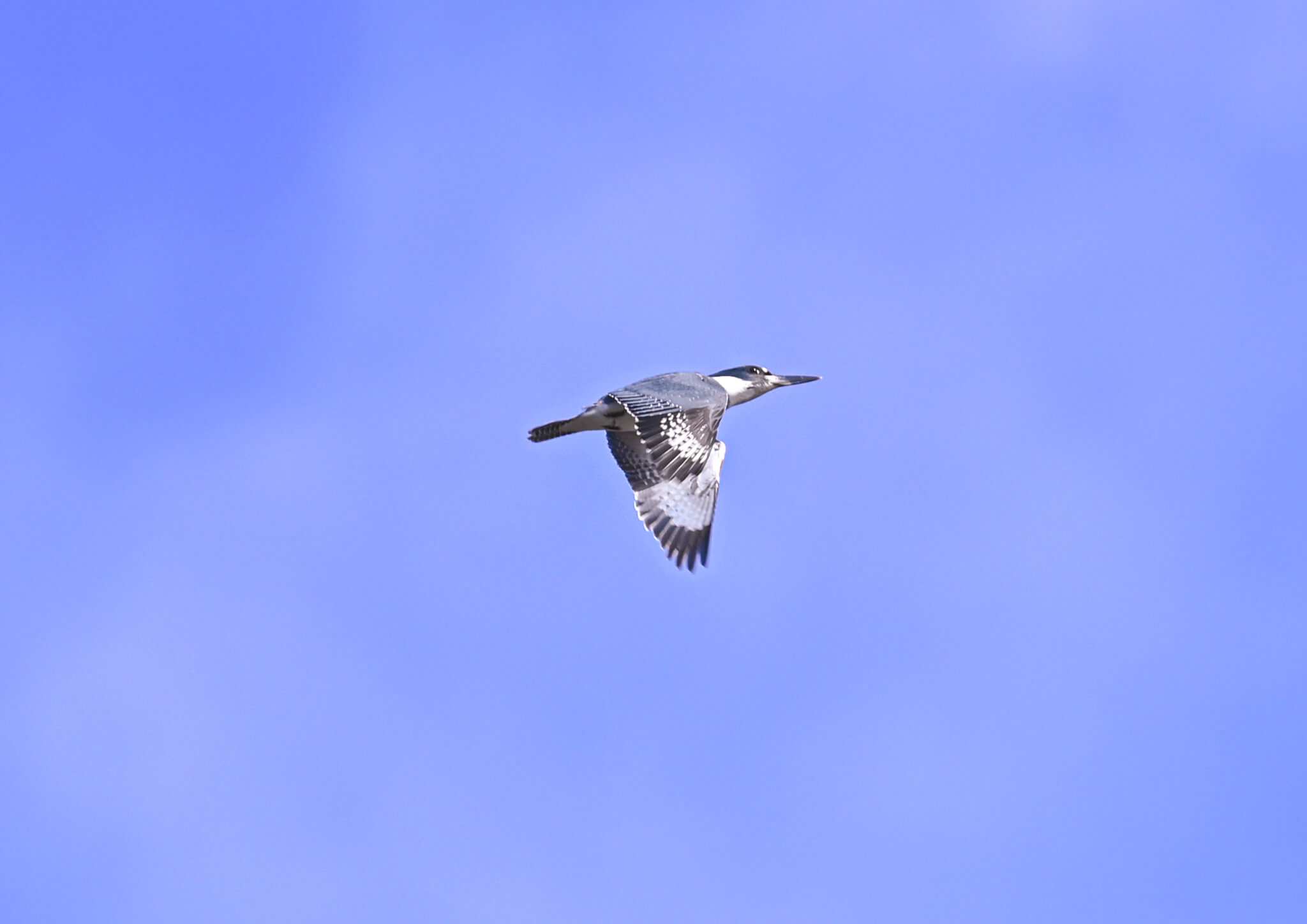
Photographing Wildlife Responsibly
Protecting the animals and habitats that make Washington’s Evergreen Coast special is an important part of wildlife photography.
Always remain on designated trails where required, respect seasonal closures, and give wildlife enough room to move naturally. If an animal changes its behavior because of your presence, you’re too close.
This is especially important for nesting shorebirds, resting marine mammals, and larger animals such as elk.
Remember that some wildlife areas permit seasonal hunting, and certain refuge locations restrict drone use and public access. Check regulations before visiting.
A great wildlife photograph should capture a natural moment, not create a disturbance.
Your Next Great Photograph Is Waiting
There’s something special about experiencing Washington’s Evergreen Coast through a camera lens.
Wildlife photography encourages you to slow down and notice the details that are easy to overlook. The movement of birds across a tidal flat. The reflection of a heron in still water. The sound of an eagle overhead. Or the brief appearance of an animal along a quiet forest trail.
From the beaches of the Long Beach Peninsula to the wetlands of Willapa Bay and the forested landscapes surrounding Raymond and South Bend, Pacific County offers countless opportunities to discover and photograph the natural world.
Bring your camera, explore somewhere new, and see what you discover.
After all, some of the best memories from a trip to Washington’s Evergreen Coast are the moments you never saw coming.
For more inspiration and ideas for your next visit, explore wildlife watching on Washington’s Evergreen Coast

Casi Gerig is a Long Beach, Washington local and emerging writer for Washington’s Evergreen Coast. She focuses on helping visitors discover what makes this stretch of coastline so special—from outdoor adventures to small-town experiences worth the trip. As a local, she brings a genuine perspective to her work and a passion for sharing her community with others. Outside of writing, Casi can be found crafting or walking her rescue dogs on the beach with her two kids.